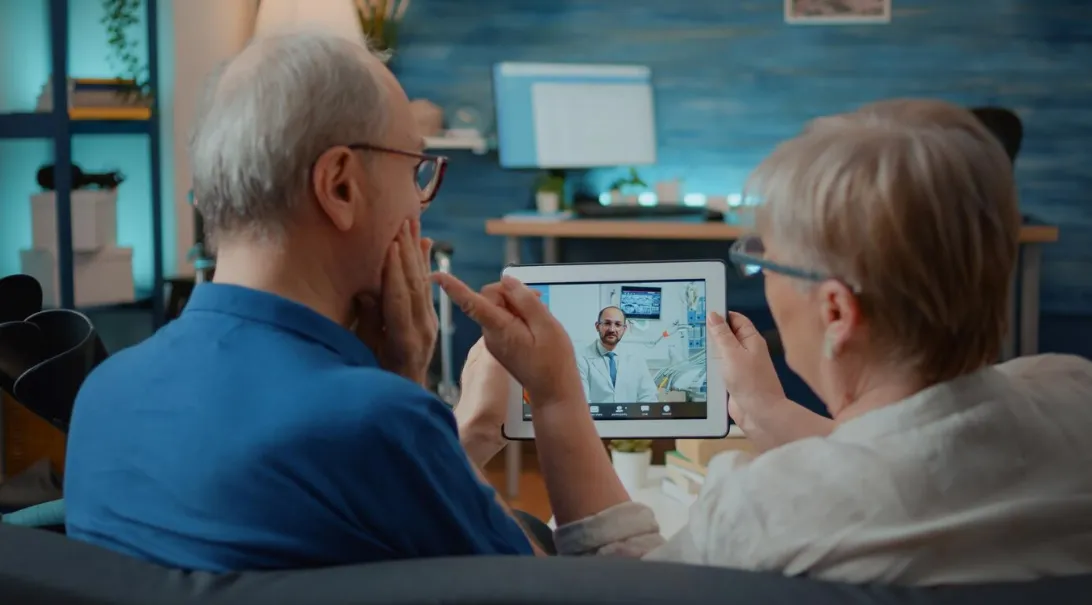
The paradigm of preventive care is shifting rapidly. For decades, the word “prevention” implied yearly check-ups, some lab testing, and the directive to show up again if anything seemed off. But life isn’t lived appointment-by-appointment. Symptoms can ebb and flow, routines change, stress can soar, sleep levels plummet, prescriptions may vary, and risks build in the background. And for all those reasons, preventive healthcare has become more proactive, informed by data and focused around the patient. Rather than relying on a snapshot of your health, preventive healthcare today is moving toward consistent support that identifies risk sooner and facilitates healthier decisions. The key to all of this? Remote Patient Monitoring. Remote Patient Monitoring allows caregivers to stay aware of changes and trends between appointments, making prevention an ongoing process, rather than an event you attend.
This blog post will define RPM in preventive care, explain how it benefits patients and providers, discuss the cost savings involved, describe the current technologies behind RPM, and examine the role that health monitoring solutions play in driving systemic healthcare change, particularly through innovative approaches supported by Central Health Solutions.
What Is Remote Patient Monitoring In Preventive Healthcare?
The major components of remote patient monitoring include:
- Devices (smartwatches, blood pressure monitors, glucometers, pulse oximeters, scales, etc.)
- Clinical review (trend monitoring, thresholds, risk flags)
- Action (outreach, education, care plan adjustments, escalation when needed)
RPM Vs Telehealth
RPM: monitoring over time, trend tracking, early signals
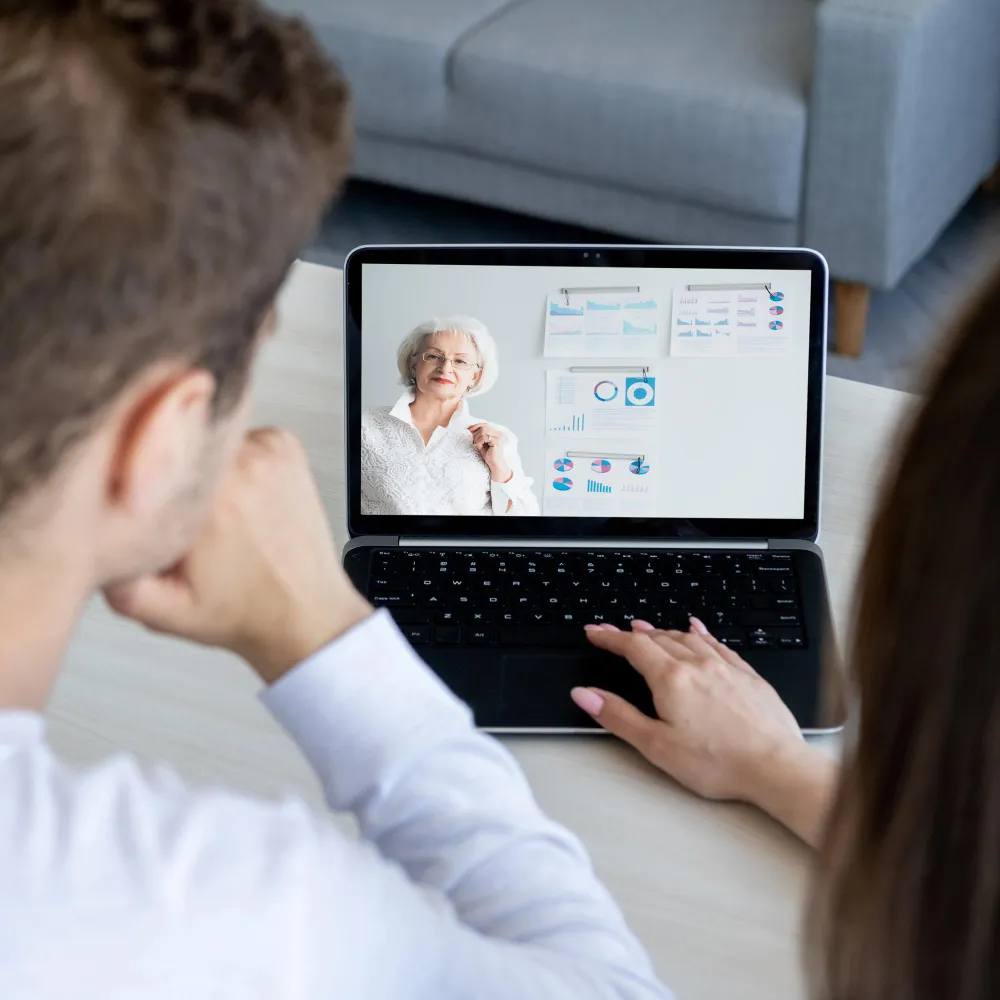
Telehealth: a single virtual visit or consult, often informed by RPM data
They work best together. RPM provides the ongoing visibility, and telehealth provides a fast way to act on what the data is showing.
Where Health Monitoring Solutions Fit
Devices alone don’t create prevention. health monitoring solutions help turn raw readings into insights and interventions, meaning the data becomes something a care team can actually use to guide next steps.
Offering Convenience And Comfort: Preventive Care Without Constant Clinic Visits
One of the biggest reasons RPM is shaping preventive care is simple: it fits real life.
Home-based monitoring supports daily routines and reduces unnecessary travel. That matters for:
- Rural patients who can’t easily get to a clinic
- Busy families juggling work, school, and caregiving
- Older adults or mobility-limited patients
- Patients who avoid visits because they’re time-consuming or stressful
Preventive care becomes easier to stick with when it doesn’t require constant appointments.
Examples Of Preventive Check-Ins Enabled By Health Monitoring Solutions
Depending on the program, preventive monitoring can include:
- Blood pressure tracking to catch hypertension trends early
- Weight monitoring to flag fluid retention risk in cardiac patients
- Oxygen saturation checks for respiratory risk patterns
- Glucose monitoring to detect worsening control before complications
- Sleep and activity trends (when relevant) to support lifestyle-based prevention
The point isn’t to medicalize everyday life, it’s to spot risk earlier, when small adjustments can prevent bigger problems.
Improving Patient Outcomes Through Early Signals And Timely Intervention
Preventive care is most effective when it catches problems early, before they become expensive, painful, or irreversible.
RPM supports that by combining:
- Real-time data
- Trend monitoring
- Timely outreach
Instead of waiting for a patient to feel “bad enough” to call, RPM can help providers catch abnormalities earlier, such as:
- Rising blood pressure over weeks
- Worsening glucose trends
- Gradual weight gain that suggests fluid retention
- Declining oxygen saturation patterns
- Symptom check-ins that show deterioration before a crisis
The preventive impact is fewer escalations, better long-term stability, and less “surprise” deterioration. In other words, Remote Patient Monitoring helps prevention become a continuous process, not a reactive one.
Helping Patients And Providers Save Costs
Cost Savings For Patients
Patients often save money through:
- Reduced transportation costs
- Fewer missed workdays for appointments
- Fewer unnecessary in-person visits
- Earlier detection that prevents expensive downstream treatment
Even small savings add up when chronic risk is managed consistently.
Cost Savings For Providers And Care Teams
For providers, RPM can improve efficiency by:
- Allocating in-person care to patients who truly need it
- Reducing avoidable visits and last-minute urgent appointments
- Supporting smarter triage based on risk, not guesswork
- Improving workflow consistency across preventive programs
This is where health monitoring solutions really matter, they support scalable preventive programs by making monitoring manageable for care teams, not overwhelming.
Leveraging Technology: What’s Making Remote Patient Management More Effective Now
RPM isn’t new, but what’s changed is usability and reliability.
Modern preventive RPM is being powered by:
- Wearables and connected devices that are easier to use and more accurate
- Mobile apps that reduce friction for patients
- Cloud platforms that make data accessible and organized
- Analytics and dashboards that help clinicians spot patterns quickly
Earlier tools often failed because they were clunky, hard to sync, and created too much noise. Today’s health monitoring solutions are more usable, more reliable, and better designed around workflows, which is exactly what preventive care needs.
Reducing Strain On The Healthcare System
Zooming out, preventive RPM isn’t just good for individual patients, it helps the whole system run better.
When monitoring is done well, it can lead to:
- Fewer unnecessary in-person visits
- Better virtual triage and smarter routing
- Reduced overcrowding in clinics and urgent care settings
- More efficient use of clinical resources
Remote Patient Monitoring also supports virtual consultations by providing context. Instead of a patient saying, “I’ve felt off,” the clinician can see trends and make faster, more confident decisions.
What To Look For In Health Monitoring Solutions For Preventive RPM Programs (Quick Checklist)
If you’re evaluating a platform for preventive RPM, focus on the practical factors that determine adoption and outcomes:
- Easy onboarding for patients (simple devices, clear instructions, real support)
- Actionable alerts that avoid data overload
- Secure data handling and privacy protections
- Reporting that supports preventive goals (trends, risk flags, adherence)
- Clear clinical workflows: who monitors, response times, escalation steps
A strong solution doesn’t just collect data, it creates a repeatable system for turning data into preventive action.
FAQs
Is Remote Patient Monitoring Only For Chronic Conditions?
No. It’s often used in chronic care, but it also supports preventive programs by identifying early risk trends and enabling timely intervention before complications.
What Makes Preventive RPM Successful?
Simple patient routines, reliable devices, meaningful alerts (not noise), secure data handling, and clear clinical workflows for review and escalation.
Do Health Monitoring Solutions Replace In-Person Care?
Not at all. They help reduce unnecessary visits and improve triage, while keeping in-person care focused on patients who truly need hands-on evaluation.
Conclusion
The concept of preventive medicine is moving away from one yearly exam and towards continuous care. Remote Patient Monitoring improves preventive medicine through enhanced convenience, effectiveness, expense reduction, and efficiencies.
Furthermore, as programs evolve, health monitoring solutions will become the foundation for preventive medicine. This will allow organizations to identify risks sooner, make improved daily decisions, and maintain patients’ stability far before another visit is required.
Make Preventive Care Feel Continuous, Not Occasional
Use Remote Patient Monitoring with health monitoring solutions to spot risk earlier, guide better daily habits, and reduce avoidable escalations.