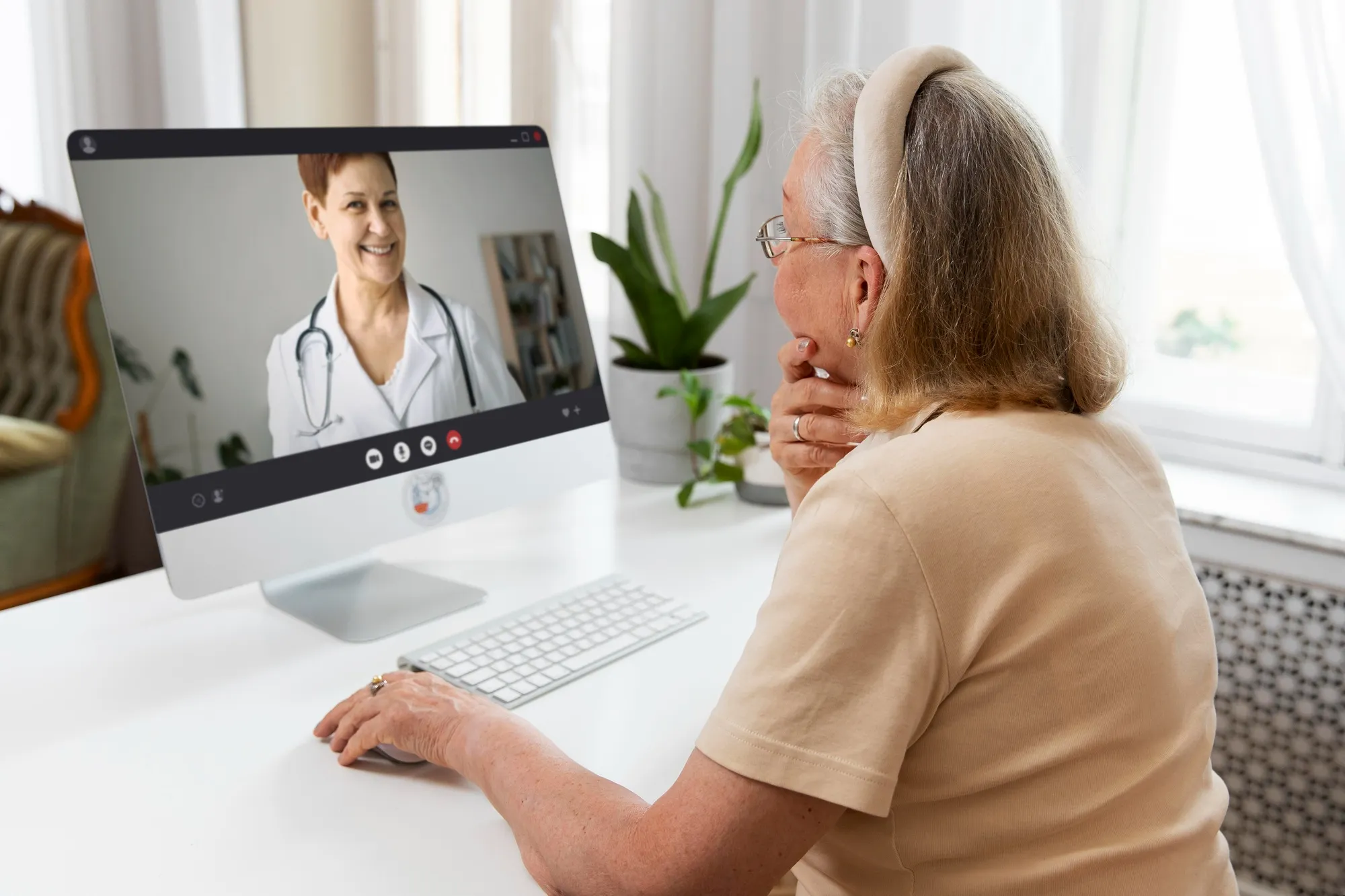
Handling long-term illness extends beyond scheduled office visits. It takes place in the time separating check-ups, when health complaints fluctuate, established habits fail, prescriptions are altered, and individuals question if a feeling is usual or signals trouble. For issues such as diabetes, high blood pressure, respiratory diseases, and heart issues, this interval frequently determines recovery success.
This is precisely why remote patient monitoring solutions oversight tools are transforming ongoing health management. These distant monitoring systems offer both patients and their medical staff ongoing assistance, ensuring treatment relies on actual ongoing data rather than just isolated moments during a clinic appointment.
In this post, we will explore what a remote monitoring initiative entails, its practical application, and the primary advantages for those receiving and delivering care for ongoing ailments.
What is a Remote Patient Monitoring Program for Chronic Disease Management?
A remote patient monitoring initiative offers a methodical approach for individuals to transmit wellness metrics from their residence to their medical staff, utilizing linked gadgets and online systems.
The majority of these systems comprise:
- In-home monitoring tools or fitness trackers (like blood pressure monitors, blood sugar readers, oxygen saturation sensors, weighing scales, etc.)
- A smartphone application or secure website for noting symptoms and accessing learning materials
- A clinician interface that displays patterns and highlights shifts
- A structured process for the care team to conduct follow-ups, make contact, and respond to urgent situations
The goal is not to replace in-person care. It is to strengthen it by adding visibility and follow-through between visits. In that sense, RPM is a core part of modern remote health solutions for chronic care.
Why Remote Health Solutions are Essential for Chronic Disease Management
Chronic diseases impact a significant percentage of the population and need continuous management. The problem is that existing healthcare delivery methods have been struggling due to the fact that they are visit-oriented, reactionary, and restricted by staff availability.
Reasons why patients would put off seeking help include:
- appointments are hard to schedule
- transportation is difficult
- symptoms feel “not serious enough” until they suddenly are
- follow-up is inconsistent between providers
That is where health monitoring solutions help. They reduce gaps in care by making support more accessible, more proactive, and more responsive to what is happening in daily life.
How Remote Patient Monitoring Solutions Work in Real Life
RPM works best when it feels simple for patients and structured for care teams.
Devices and tools used
Depending on the condition, RPM may include:
- Blood pressure monitoring
- Blood glucose tracking
- Oxygen saturation monitoring
- Weight tracking (often important for heart failure)
- Symptom check-ins (fatigue, shortness of breath, pain, dizziness)
- Wearables that track activity, heart rate, or sleep
How data flows to providers
Patients take readings at home or wear devices that collect data automatically. That data is sent through an app or platform to a dashboard where care teams can review trends.
If readings cross a threshold or show a concerning pattern, the system can trigger:
- alerts to the care team
- a message to the patient
- a virtual check-in or follow-up call
- escalation steps if needed
How education and care plans are delivered
Remote programs often include education, reminders, and personalized care plans. This helps patients understand what their numbers mean and what actions to take, without waiting weeks for the next appointment.
Top Benefits of Remote Patient Monitoring
Early detection with health monitoring solutions
Most chronic diseases take time to progress. A slight increase in blood pressure, oxygen levels, body weight, or other symptoms should be seen as a red flag. If not monitored, this red flag might become an emergency event in the future.
By constantly monitoring, care providers would be able to address any issue earlier, by changing medications, strengthening routines, or arranging follow-up visits before the problem gets out of hand.
In conclusion, health monitoring systems serve as an additional layer of protection between appointments.
Better communication through remote health solutions
Many chronic care breakdowns are communication breakdowns. Patients are unsure what to do. Providers do not see what is happening at home. Specialists and primary care teams may not be aligned.
Remote tools improve communication by enabling:
- messaging and virtual check-ins
- shared dashboards that show trends clearly
- faster clarification when symptoms change
- more timely adjustments to care plans
When communication is easier, patients are more likely to speak up early, and care teams can respond with more precision.
Increased patient engagement with remote patient monitoring solutions
RPM can be empowering when it is designed well. Instead of guessing, patients can see trends, understand triggers, and connect daily habits to outcomes.
Remote programs often improve engagement through:
- reminders and routine-building support
- education that explains what readings mean
- personalized goals and progress tracking
- consistent touchpoints that keep patients motivated
The result is better adherence and more confidence, especially for patients who previously felt overwhelmed by chronic care.
Cost savings for patients and providers using remote health solutions
Remote monitoring can reduce costs by preventing expensive events and reducing unnecessary utilization.
For patients, savings often come from:
- fewer unnecessary clinic visits
- fewer urgent care or ER visits
- fewer hospital admissions due to earlier intervention
- reduced travel time and missed workdays
For providers and care organizations, savings often come from:
- better resource allocation through triage
- fewer avoidable readmissions
- improved workflow efficiency and reduced administrative loops
remote health solutions are cost-effective because they shift chronic care from reactive treatment to earlier, lower-cost intervention.
Who Benefits Most from Remote Patient Monitoring Solutions?
RPM can support many chronic care populations, but it is especially valuable for:
- Diabetes management
- Heart failure monitoring
- Hypertension management
- COPD and respiratory monitoring
- Arthritis and mobility-limited patients who need consistent support
- Cancer recovery support and post-treatment monitoring (when appropriate)
It also benefits:
- Older adults
- Mobility-limited patients
- Rural patients with access barriers
- High-risk patients who need frequent follow-up
What to Look for in Remote Patient Monitoring Solutions and Health Monitoring Solutions
If you are evaluating an RPM program, focus on what will actually work in real life.
Key criteria include:
- Easy onboarding and patient-friendly workflows
- Reliable data capture and meaningful alerts (not alert fatigue)
- Actionable reporting that supports clinical decisions
- Secure communication and privacy protections
- Scalability for long-term chronic care programs and larger patient populations
The best solutions feel simple for patients and structured for care teams.
FAQs
1) Does remote patient monitoring substitute for clinic appointments?
Not at all. It enhances face-to-face medical attention by providing added insights and assistance between appointments, which is when most daily fluctuations happen.
2) Which types of instruments are frequently employed in RPM initiatives?
Blood pressure monitors, blood sugar readers, oxygen saturation sensors, weighing scales, wearable tech, and symptom logging applications are typical, based on the specific ailment.
3) Is remote patient monitoring exclusively for individuals at greater risk?
While it proves particularly advantageous for medically fragile individuals, a large number of patients managing long-term illnesses profit from continual observation, guidance, and subsequent assistance.
Conclusion
Managing ongoing health issues necessitates steady assistance between appointments. Remote patient monitoring systems enhance this support by allowing for quicker identification, more transparent dialogue, deeper involvement, and improved financial results.
As ongoing healthcare continues to evolve, health tracking tools and expanded remote care options are becoming vital instruments for delivering modern, preventive, and patient-focused treatment—especially with support from Central Health Solutions.
Make Chronic Care Work Between Appointments
remote patient monitoring solutions help catch changes early, improve follow-through, and keep patients supported at home, not just during visits.