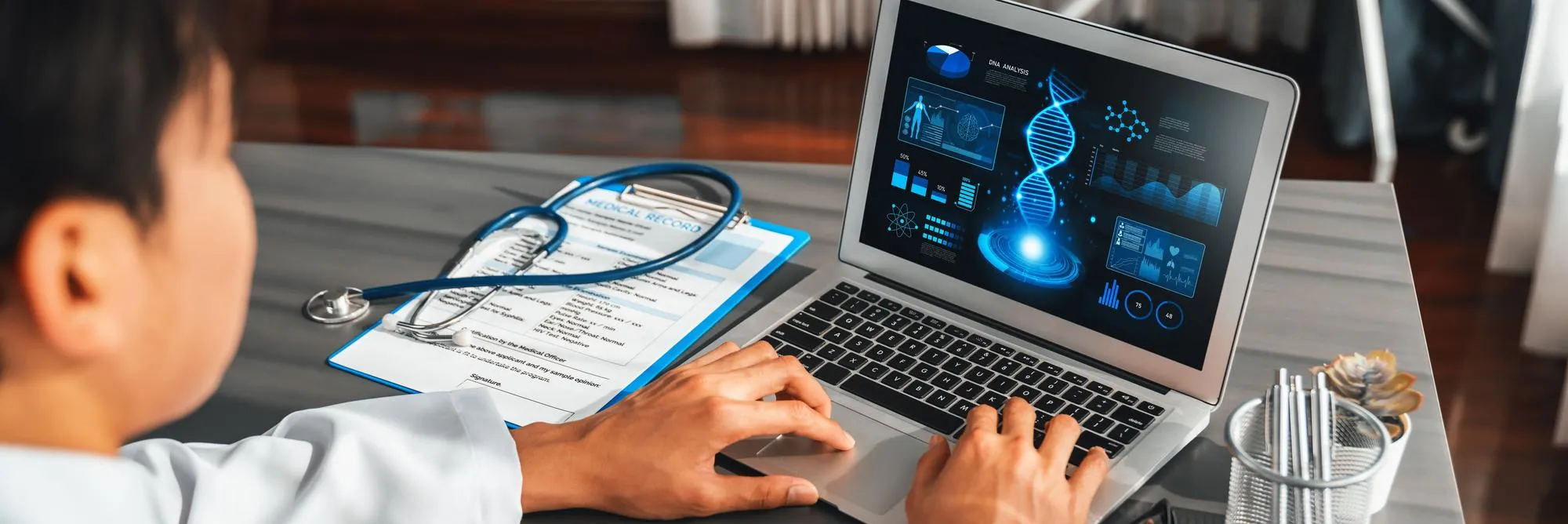
The conventional practice of follow-up healthcare has been very beneficial for many patients over the years; however, there have been significant constraints associated with it. A person may feel great while attending their appointment but then find themselves facing difficulties a few days after being back home. The other individual may simply skip their appointment due to travel or other factors. Often, medical professionals are left with limited knowledge about their patients outside their visits.
That is precisely why Digital Health Monitoring Solutions are becoming increasingly vital for today’s healthcare system. Digital Health Monitoring Solutions enable health professionals to remain in constant contact with their patients beyond the appointments. This will allow doctors and other medical professionals to be more proactive and timely when addressing health issues among their patients.
RPM Software for Patient Monitoring
Remote Patient Monitoring is an approach in which health professionals are able to continuously collect health data of patients outside of the clinical setting, for instance, from their homes. The essence of this process is that there would be no need for patients to visit the facility for every follow-up appointment, and they will simply transfer vital health information using remote monitoring software.
How Limitations of Traditional Follow-Ups Impact Daily Healthcare Routine
Although traditional follow-ups are crucial to ensure optimal patient outcomes, they tend to have many limitations. In other words, a patient’s state may deteriorate quite quickly if a person suffers from certain illnesses or has to undergo treatment for some disease. There are also practical barriers. Travel, scheduling conflicts, transportation issues, and time away from work can all make follow-up harder to complete.
When visits are delayed or skipped, providers lose visibility, and patients may not get help until symptoms worsen enough to require urgent care or readmission.
How Digital Health Monitoring Solutions Improve Visibility Between Visits
Perhaps one of the most significant benefits of the connected care approach is its visibility. The Digital Health Monitoring Solutions offer care providers access to timely or near-timely health information rather than basing decisions solely on the information gathered during the scheduled visits.
This way, care teams can:
- Follow health trends in a consistent manner
- Identify potential warning signals early on
- Take actions quickly enough
In this case, healthcare providers do not have to respond to situations reactively, but act proactively and, consequently, obtain improved results and minimize preventable issues.
Patient Remote Monitoring Software’s Role In Proactive Care
Notably, the technologies used in remote care delivery are critical for making the most out of the approach. Patient Remote Monitoring Software helps gather patient health information and present it systematically for further use by care providers.
These Solutions May Comprise:
- Dashboards
- Alert notifications
- Communication channels
- Tracking capabilities
For the care teams, this technology solution helps eliminate manual efforts in obtaining and processing health information. From the patient perspective, this makes their care process more convenient.
How Digital Health Telemonitoring Devices Support Daily Patient Care
Remote monitoring works best when patients have simple tools they can use at home. Digital Health Telemonitoring Devices are the connected devices that capture day-to-day health data and send it into the monitoring system.
Examples Include:
- Blood pressure monitors
- Glucose monitors
- Pulse oximeters
- Weight scales
These tools help patients stay engaged in their care by making health tracking part of their daily routine. They also give providers more useful information than a single in-office reading.
Why Digital Health Platforms Create A More Connected Care Experience
A strong remote care strategy needs more than just devices. Digital Health Platforms bring together patient data, communication tools, workflow support, and reporting into one connected system.
This matters because care is rarely handled by one person alone. Providers, nurses, care coordinators, and support staff all need access to the right information. When everything is connected in one place, coordination becomes easier, follow-up becomes more consistent, and the patient experience feels less fragmented.
Comparing Digital Health Tracking Solutions with Traditional Follow-Up Models
The biggest difference between traditional follow-ups and Digital Health Tracking Solutions is consistency. Traditional care is often episodic. A patient checks in, gets evaluated, and then waits until the next visit. Remote monitoring creates a more continuous view.
Compared with Traditional Models, Digital Health Tracking Solutions Offer:
- Better convenience for patients
- More visibility for providers
- Faster response to warning signs
- A more scalable way to support long-term care
This does not mean office visits disappear. It means follow-up becomes smarter, more flexible, and more responsive to what is actually happening between visits.
Key Benefits of Choosing Remote Patient Monitoring Over Traditional Follow-Ups
When remote monitoring is used well, the benefits are practical and meaningful.
Patients Often Experience:
- Better engagement and adherence
- Earlier intervention when something changes
- Fewer unnecessary visits
- More confidence managing health at home
Care Teams Often Benefit From:
- Better visibility into patient progress
- Fewer avoidable complications and readmissions
- Stronger operational efficiency
- More data-driven care decisions
The result is a care model that feels more connected for everyone involved.
What to Look for In Digital Health Monitoring Solutions
Not all systems come with equal value. In your assessment of Digital Health Monitoring Solutions, focus on functionality that will benefit both the patients and the clinician.
Some Key Aspects to Be Aware of Are:
- User-friendly systems for patients and clinicians
- Interoperable with other systems
- Data management with security and compliance support
- Effective alerts and reporting as well as device support
- Scalability for chronic diseases and follow-up appointments
Your choice of solution should enhance care delivery instead of making it harder.
Why Remote Patient Monitoring Makes the Right Choice with Digital Health Platforms
There is no denying the importance of conventional follow-up methods, but they aren’t good enough anymore on their own for many patients today.
That is why Remote Patient Monitoring is the smarter approach. With the support of Digital Health Platforms, This is precisely why Remote Patient Monitoring is a better choice. In combination with Digital Health Platforms, Patient Remote Monitoring Software, and Digital Health Telemonitoring Devices, remote monitoring technology can provide even more connected healthcare and keep patients engaged and motivated from home.
Frequently Asked Questions
How Is Remote Patient Monitoring Different From Regular Follow-Ups?
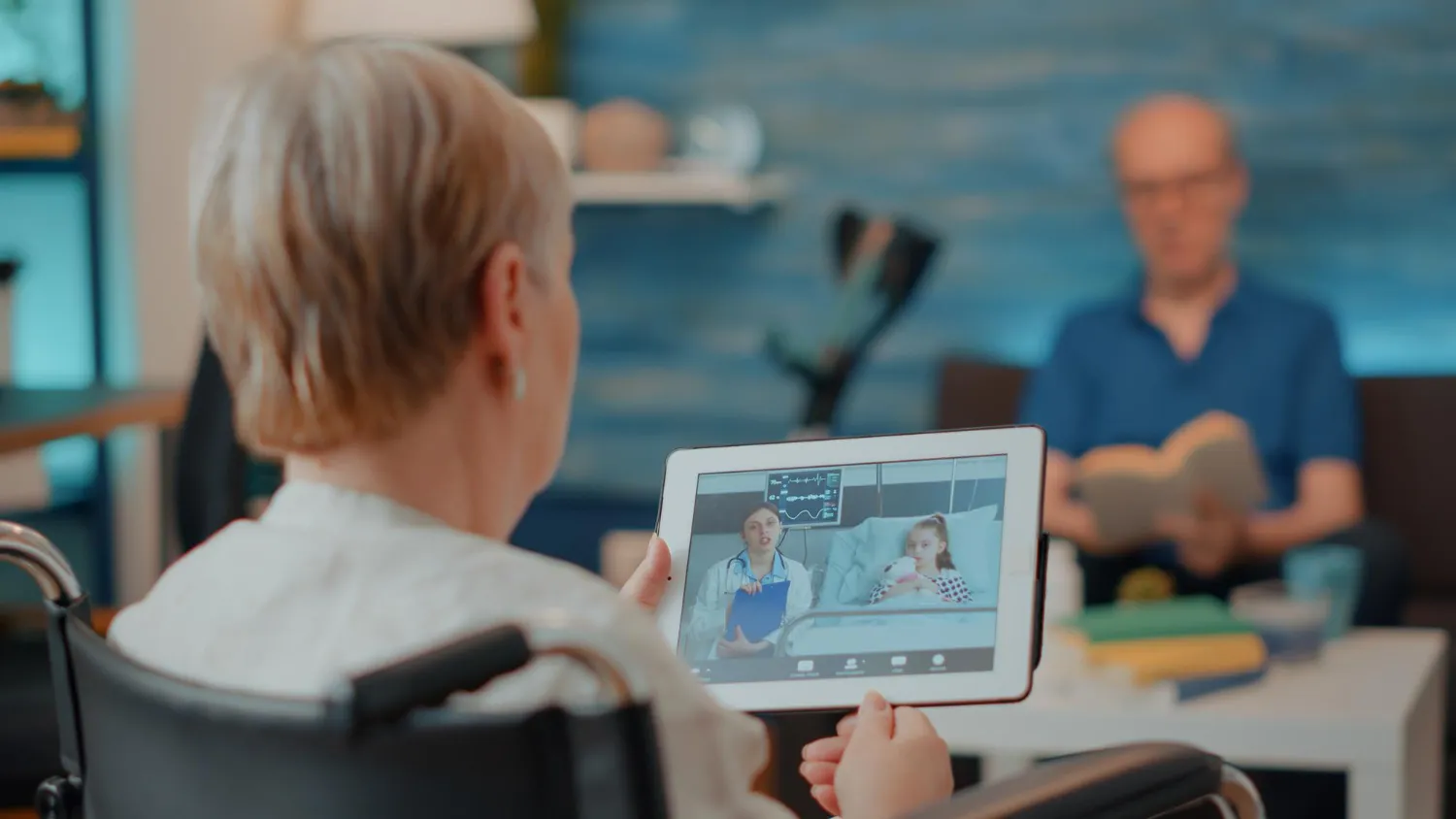
While regular follow-ups occur at specified intervals, Remote Patient Monitoring enables clinicians to monitor the health of their patients outside those intervals, gaining more continuous oversight.
How Is Patient Remote Monitoring Software Helpful For Clinicians And Care Teams?
Patient Remote Monitoring Software helps gather, sort and visualize relevant patient data, allowing clinicians to follow up with patients and address potential issues efficiently.
What Are Digital Health Telemonitoring Devices?
Digital health telemonitoring devices are connected consumer medical devices such as:
- Blood pressure monitors
- Glucose meters
- Pulse oximeters
- Body scale monitors