
Transition Care Management helps provide safety to patients during their recovery period by arranging follow-up care, managing medicines, educating patients, and providing continuity of care.
The riskiest part of caregiving occurs when the patient is discharged from the hospital. The patient receives a lot of new information about drugs and scheduling, but he or she may have difficulty coping with that and putting everything into practice. That is how confusion leads to missed appointments, drug misuse, worsened symptoms, and unnecessary readmission.
This is exactly why transition care management services matter. When transition care management services are structured and consistent, they improve safety, continuity, and recovery, especially for higher-risk patients. In this guide, we’ll break down how TCM improves outcomes, what it includes, and how to choose the right approach, including when outsourced transition care management makes more sense than trying to do everything in-house. We’ll also cover what to look for in a strong transition care management provider, what a scalable transition care management solution adds, and what TCM services for physicians should include.
What Is Transition Care Management (TCM)?
Transition Care Management (TCM) is structured support that helps patients transition safely between care settings, such as:
- Hospital → Home
- Hospital → SNF/Rehab → Outpatient
- Specialist → PCP
- ER Visit → Follow-Up Care Plan
The goal is simple: reduce avoidable complications and improve recovery outcomes.
TCM is especially valuable for:
- Higher-risk patients
- People with chronic conditions
- Patients with complex medication changes
- Anyone recently hospitalized or discharged with multiple follow-ups
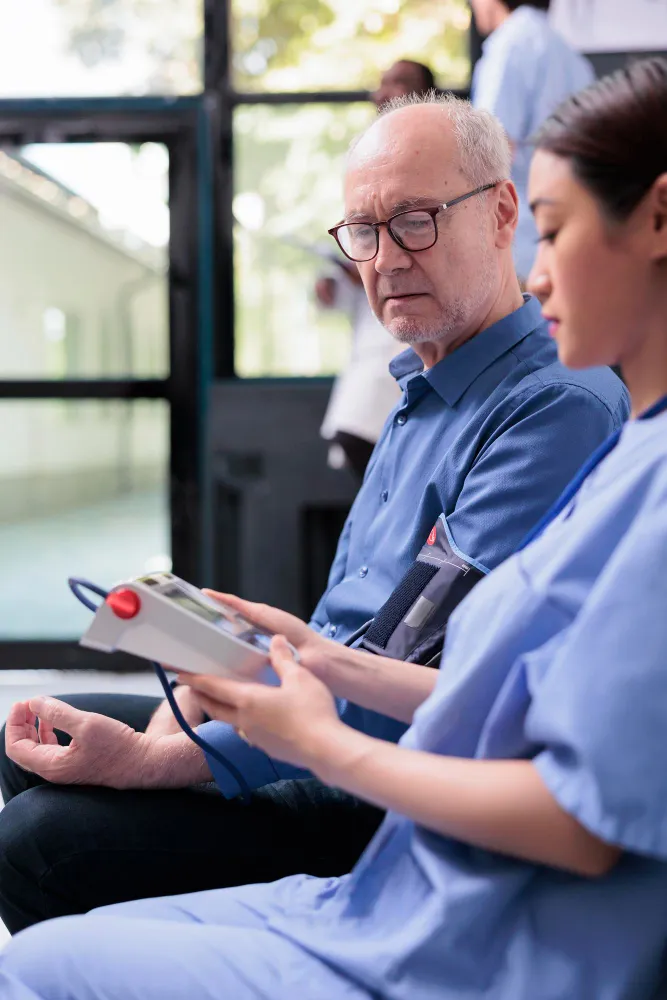
In other words, it’s built for the moments when care plans are most fragile.
Why Can Care Transitions Lead to Poor Outcomes After Discharge?
Transitions are high-risk because they create a “gap” between what was planned and what actually happens at home. Common breakdown points include:
- Medication changes and reconciliation errors
- Missed follow-up appointments
- Unclear instructions and limited patient education
- Limited caregiver support at home
- No single owner for next steps
- Poor communication between facilities and outpatient providers
Even motivated patients can struggle when they’re tired, overwhelmed, or managing multiple new tasks at once.
How Transition Care Management Services Improve Patient Outcomes
Here’s what TCM improves, and why it works.
1) Faster Follow-Up and Earlier Intervention
TCM starts with speed. Outreach soon after discharge catches issues before they escalate.
A strong transition care management provider should:
- Contact patients quickly after discharge
- Check symptoms and identify red flags early
- Clarify instructions and next steps
- Escalate when something looks wrong
This creates a reliable post-discharge safety net, so small problems don’t become ER visits.
2) Medication Reconciliation And Adherence Support
One of the main reasons for bad results after discharge is medication confusion. The patient may have some newly prescribed medicines, discontinued medicines, different doses of medicines, or even double medicines.
TCM improves outcomes by:
- Ensuring the medication list is accurate after discharge
- Reducing duplications, contradictions, and side effects that drive non-adherence
- Supporting refills, routines, and patient understanding
When patients understand what they’re taking and why, adherence improves, and complications drop.
3) Better Care Coordination And Closed-Loop Communication
Transitions involve multiple stakeholders: hospital teams, PCPs, specialists, home health, pharmacies, caregivers. Without coordination, patients get conflicting guidance or no guidance at all.
TCM strengthens outcomes by:
- Aligning teams and responsibilities
- Ensuring discharge summaries and next steps are communicated clearly
- Reducing fragmentation and conflicting instructions
- Closing the loop so the outpatient team has what they need
This is where continuity of care becomes real, not just a goal.
4) Improved Patient Education And Confidence At Home
A huge part of recovery is confidence. Patients need to know what’s normal, what’s not, and what to do next.
TCM supports better outcomes by:
- Explaining discharge instructions in plain language
- Teaching warning signs and self-care steps
- Clarifying when to seek help vs. wait
- Helping patients feel supported instead of abandoned
When patients understand the plan, they’re more likely to follow it.
5) Reduced Readmissions And Avoidable ER Visits
Many readmissions are driven by predictable failures: missed follow-ups, medication errors, unmanaged symptoms, and lack of early intervention.
TCM reduces avoidable utilization by:
- Preventing common post-discharge breakdowns
- Providing proactive outreach and escalation
- Helping patients stay stable at home
This is one of the clearest ways TCM improves outcomes, and one of the easiest to measure.
6) Better Chronic Condition Management After Hospitalization
In many cases, hospital admission causes instability in chronic illnesses such as diabetes, CHF, and COPD. Despite solving the problem at hand, the patient leaves the hospital in a state of disturbance.
TCM enhances health outcomes through:
- Supporting monitoring and adherence
- Identifying issues early and coordinating adjustments
- Reinforcing routines that keep chronic conditions stable
This matters because outcomes aren’t just about 30 days; they’re about keeping patients healthier over time.
7) Stronger Caregiver Support And Resource Connection
Caregivers often become the “unofficial care coordinator,” without training or clear instructions. TCM helps by making responsibilities clear and connecting families to support.
A strong program includes:
- Caregiver education and role clarity
- Connections to community resources
- Help with transportation, equipment, and social support
When caregivers are supported, patients are safer.
What Does a Transition Care Management Solution Add to Patient Care?
People matter, but consistency usually requires technology. A scalable transition care management solution helps standardize the workflow and make performance measurable.
Look for:
- Patient registry and risk stratification (who needs outreach first)
- Tasking/work queues and outreach scheduling
- Documentation templates and audit-ready tracking
- Secure messaging and communication logs
- Reminders for medications and appointments
- Reporting dashboards (readmissions, follow-up completion, outreach success)
The right solution makes TCM consistent, trackable, and scalable, without turning it into “more clicks.”
In-House Vs Outsourced Transition Care Management (How To Choose)
When In-House Makes Sense
In-house TCM can work well when you have:
- A strong internal care coordination team
- Lower patient volume or simpler transitions
- A desire for full operational control
- Stable staffing and consistent workflows
When Outsourced Transition Care Management Makes Sense
Outsourced transition care management is often the better fit when you’re dealing with:
- Staffing constraints or high turnover
- High discharge volume or multi-location complexity
- The need for standardized workflows and fast reporting
- A desire to scale impact without adding headcount
Outsourcing can also help practices move faster, because you’re not building the entire program from scratch.
Central Health Solutions is an example of a partner model that typically focuses on scalable workflows, closed-loop tracking, and measurable reporting.
What Should TCM Services for Physicians Include?
If you’re evaluating TCM services for physicians, the deliverables should reduce burden while improving outcomes, not just generate activity.
At minimum, look for:
- Post-discharge outreach timelines and escalation protocols
- A medication reconciliation workflow
- Follow-up scheduling plus closed-loop confirmation
- Documentation support and reporting
- Communication back to the physician with key updates
- Patient education scripts and caregiver support
If the physician doesn’t get timely updates, the loop still isn’t closed.
KPIs To Measure Improvement In Patient Outcomes
To know whether TCM is working, track:
- 30-day readmission rate
- Post-discharge follow-up completion rate
- Time to first outreach after discharge
- Medication reconciliation completion rate
- ER visit rate post-discharge
- Patient satisfaction and engagement signals
These KPIs show whether the program is improving real outcomes, not just checking boxes.
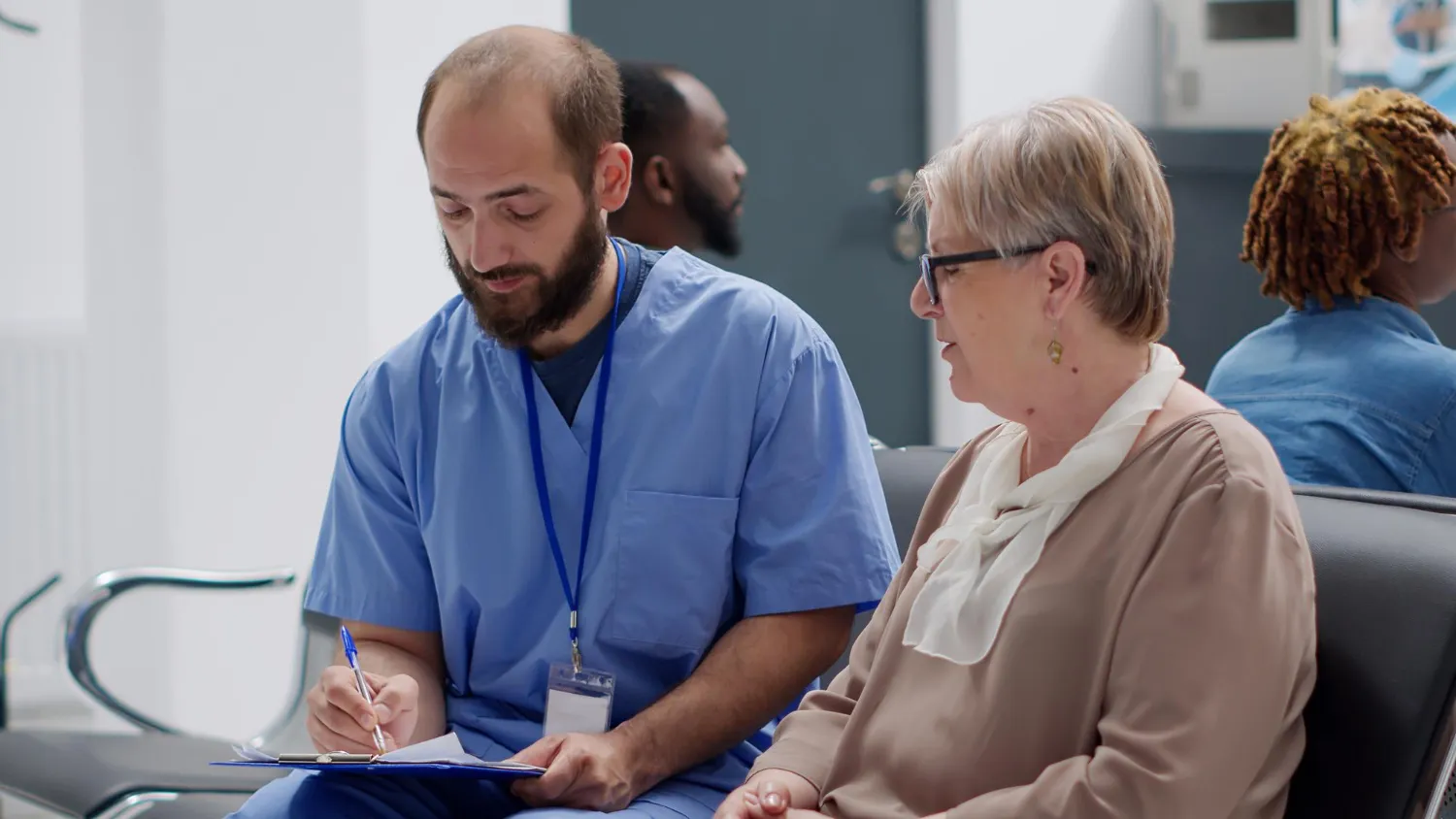
Conclusion: Better Transitions Create Better Outcomes
It is during this transitional period that patients require the most guidance. Choosing the right transition care management provider helps improve safety and compliance, more importantly in cases where patients have to take new medications and follow new directions from several different follow-ups.
With strong transition care management services and a scalable transition care management solution, practices can reduce avoidable utilization and improve recovery. And for teams that need to scale impact quickly without adding headcount, outsourced transition care management can be the fastest path to consistent, measurable results.
FAQs
1) How Soon Should Outreach Happen After Discharge?
Most strong programs aim for outreach within 48 hours, with faster escalation for high-risk patients or red-flag symptoms.
2) What’s the Biggest Reason Patients Get Readmitted After Discharge?
Medication confusion, missed follow-ups, and unmanaged symptoms are common drivers. TCM reduces these by adding early outreach, reconciliation, and coordination.
3) Do TCM Services Replace Office Visits?
No. TCM supports patients between visits and helps ensure follow-ups actually happen, but it doesn’t replace clinical care or in-person evaluation when needed.
Reduce Readmissions Without Burning Out Your Team
Practical TCM services for physicians with clear updates and accountability.