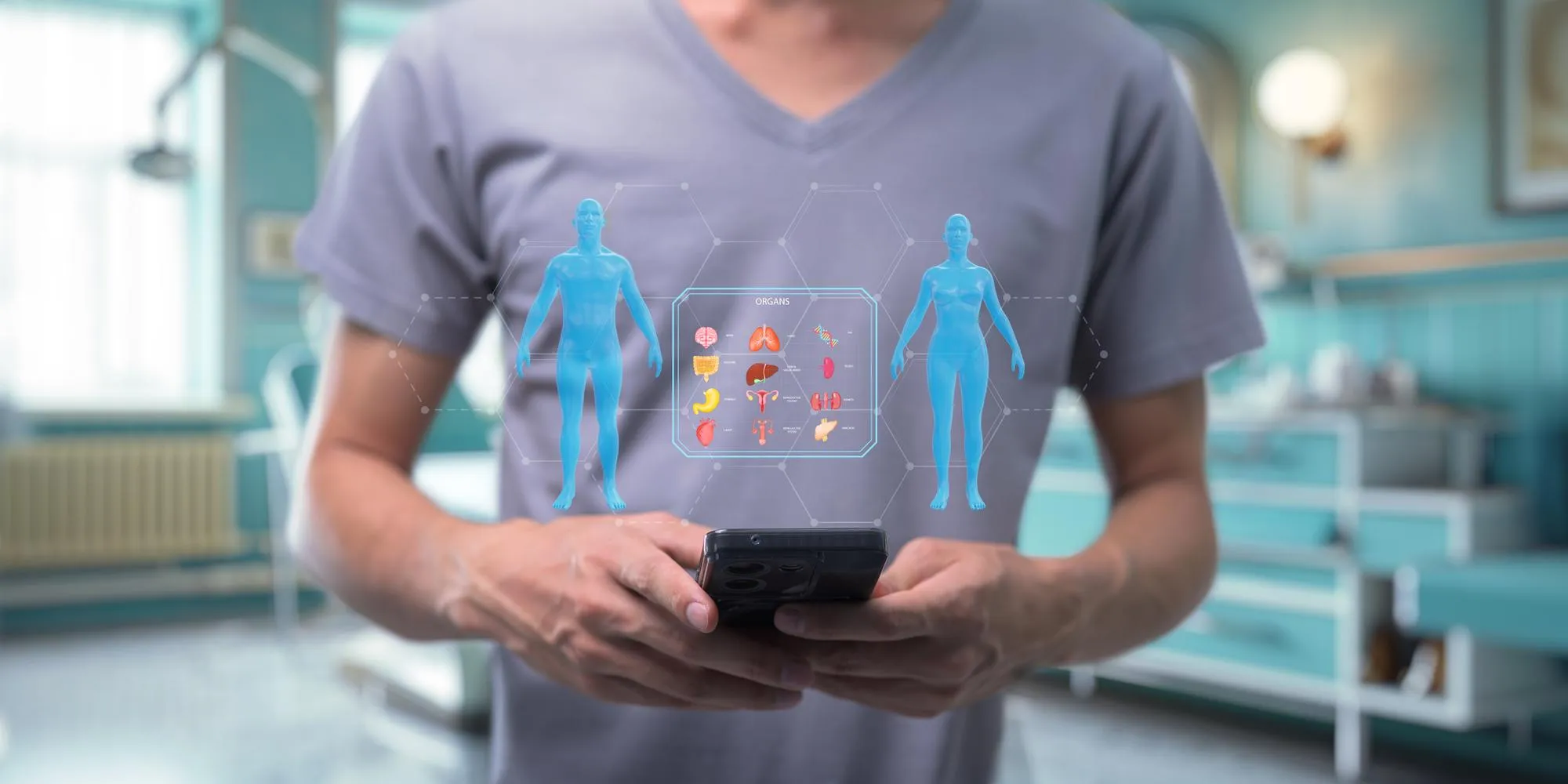
The use of technology improves Chronic Care Management Solutions through care coordination, medication management, patient engagement, remote monitoring, and follow-up services to support the provision of reliable care by CCM providers.
Chronic care doesn’t happen only during appointments; it happens between them. That’s where patients are making daily decisions about medications, symptoms, food, movement, stress, and follow-up care. And without consistent support between visits, even well-intentioned care plans can break down into missed meds, worsening symptoms, and avoidable hospital visits.
That’s why Chronic Care Management Solutions matter. Proper Chronic Care Management Solutions provide care management teams with a way to stay engaged with their patients not only in their office environment but in the actual environment of their patients. They also allow for high quality Chronic care management services to be scaled up without overworking employees since the process is more organized and automated. In this guide, we’ll break down how technology strengthens CCM workflows, improves engagement, and supports better outcomes, and what to look for if you’re evaluating tools as a CCM service provider.
Quick Definition: What Does Chronic Care Management (CCM) Include?
Chronic Care Management (CCM) is ongoing, proactive support for patients with chronic conditions. It’s built around consistent follow-through, not one-off interventions.
Core CCM Components Typically Include:
- care planning
- medication management
- regular follow-ups and check-ins
- patient education and self-management support
- coordination across providers and services
A strong CCM service provider uses technology to make these steps consistent and measurable, so patients don’t fall through the cracks when life gets busy.
Why Does Technology Matter in Chronic Care Management (CCM)?
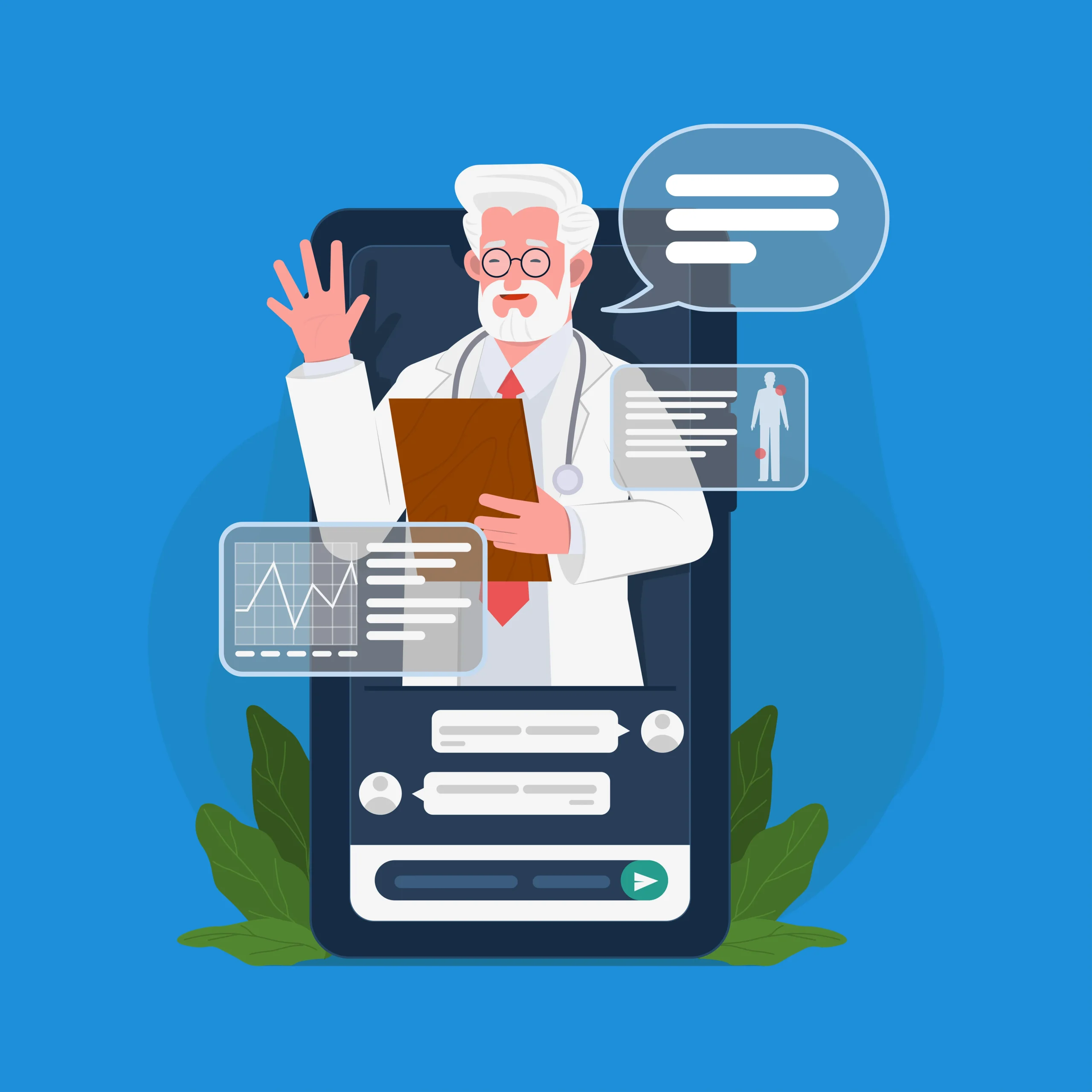
Chronic care is complex. Many patients are managing multiple conditions, multiple providers, and multiple medications. When workflows are manual, the cracks show up fast:
- missed follow-ups
- fragmented documentation
- poor visibility into patient status
- staff overload and burnout
- inconsistent outreach (“it depends who handled it”)
Technology reduces friction and improves continuity by turning chronic care into a repeatable workflow. It doesn’t replace the care team, it supports them, so the right patients get the right support at the right time.
Key Roles Technology Plays in Chronic Care Management
1) Patient Identification and Risk Stratification
One of the biggest challenges in CCM is knowing who needs attention first.
Technology helps teams:
- identify eligible patients and higher-risk cohorts
- prioritize outreach based on risk, utilization, and gaps in care
- focus limited staff time where it matters most
For any CCM service provider, this is foundational. Without prioritization, teams either spread themselves too thin or miss the patients who need proactive support.
2) Care Plans That are Structured, Shareable, and Easy To Update
Paper care plans (or care plans trapped in one person’s notes) don’t scale.
Digital care plans make it easier to:
- document goals, tasks, and responsibilities clearly
- update plans as conditions change
- share the plan across the care team
- keep the patient’s “why” and next steps visible
This supports consistent delivery of Chronic care management services, because everyone is working from the same playbook.
3) Better Care Coordination and Communication
Chronic care often involves multiple touchpoints: PCPs, specialists, pharmacies, labs, home health, caregivers. Without coordination, patients get conflicting instructions or duplicated work.
Technology supports:
- shared records and secure communication across the care team
- closed-loop referrals and follow-up tracking
- fewer duplicated tests and fewer dropped handoffs
This is how continuity becomes real, not just a goal.
4) Remote Monitoring and Patient-Generated Health Data (When Appropriate)
For some patients, visibility between visits is the difference between early intervention and a preventable escalation.
Remote monitoring and patient-generated data can include:
- connected devices (BP cuffs, glucose meters, pulse ox, scales)
- symptom check-ins and daily logs
- trend tracking over time
The key is integration. Monitoring works best when it’s part of Chronic Care Management Solutions, not siloed in a separate dashboard no one has time to check. When integrated, trends can trigger outreach, education, or medication review before problems escalate.
5) Medication Management Support
Medication complexity is one of the biggest risk factors in chronic care, especially when patients have multiple conditions.
Technology supports medication management by enabling:
- updated medication lists and reconciliation workflows
- adherence reminders and refill prompts
- side effect tracking and escalation when needed
- documentation of medication changes and patient understanding
This reduces medication errors and improves adherence, which directly improves outcomes and reduces avoidable utilization.
6) Automated Outreach, Reminders, and Follow-Up Workflows
A lot of CCM success comes down to consistent follow-through. But manual follow-up is hard to sustain.
Technology helps by enabling:
- scheduled check-ins and outreach cadences
- appointment reminders and care gap nudges
- task queues so staff know what to do next
- escalation workflows when patients don’t respond
The result: less manual chasing, more proactive support, and fewer “we meant to follow up” moments.
7) Patient Engagement Tools That Support Self-Management
CCM works best when patients feel like they understand their condition and have a clear plan they can follow.
Engagement tools can include:
- patient portals and secure messaging
- education content and condition-specific resources
- goal tracking and progress visibility
- simple check-ins that build confidence over time
This helps patients stick to care plans, improves confidence, and supports long-term behavior change, which is where chronic care outcomes are really won.
8) Data Analytics And Reporting for Continuous Improvement
CCM isn’t just about doing more outreach, it’s about improving outcomes over time.
Technology makes it possible to track:
- adherence and engagement
- follow-up completion
- utilization trends (ER visits, readmissions when measurable)
- operational KPIs (touches per patient, time-to-intervention)
This helps a CCM service provider identify what’s working, where patients are falling off, and which workflows need improvement.
What To Look For In Chronic Care Management Solutions (Quick Checklist)
If you’re evaluating tools, here’s a practical checklist:
- easy care plan documentation and updates
- work queues and outreach automation
- secure messaging and collaboration tools
- medication management workflows
- remote monitoring integration (optional but valuable)
- reporting dashboards and audit-ready documentation
- EHR integration when possible
Central Health Solutions is an example of a partner model that typically emphasizes structured workflows, measurable reporting, and scalable care coordination, which aligns closely with what strong CCM programs need.
What Are the Common Challenges and How Can You Address Them?
Technology does have its place, but it’s not a panacea. Some of the challenges and how to overcome them are:
- Data management: set up thresholds, prioritize data, and create workflows to ensure alerts translate into action
- Adoption of workflow: train appropriately and design simple, repeatable processes
- Patients and technology barriers: implement streamlined onboarding, easy to use devices, and support
- Security and privacy considerations: pick HIPAA-compliant solutions with access management and auditing capabilities
In all cases, the goal is to simplify, not complicate, CCM.
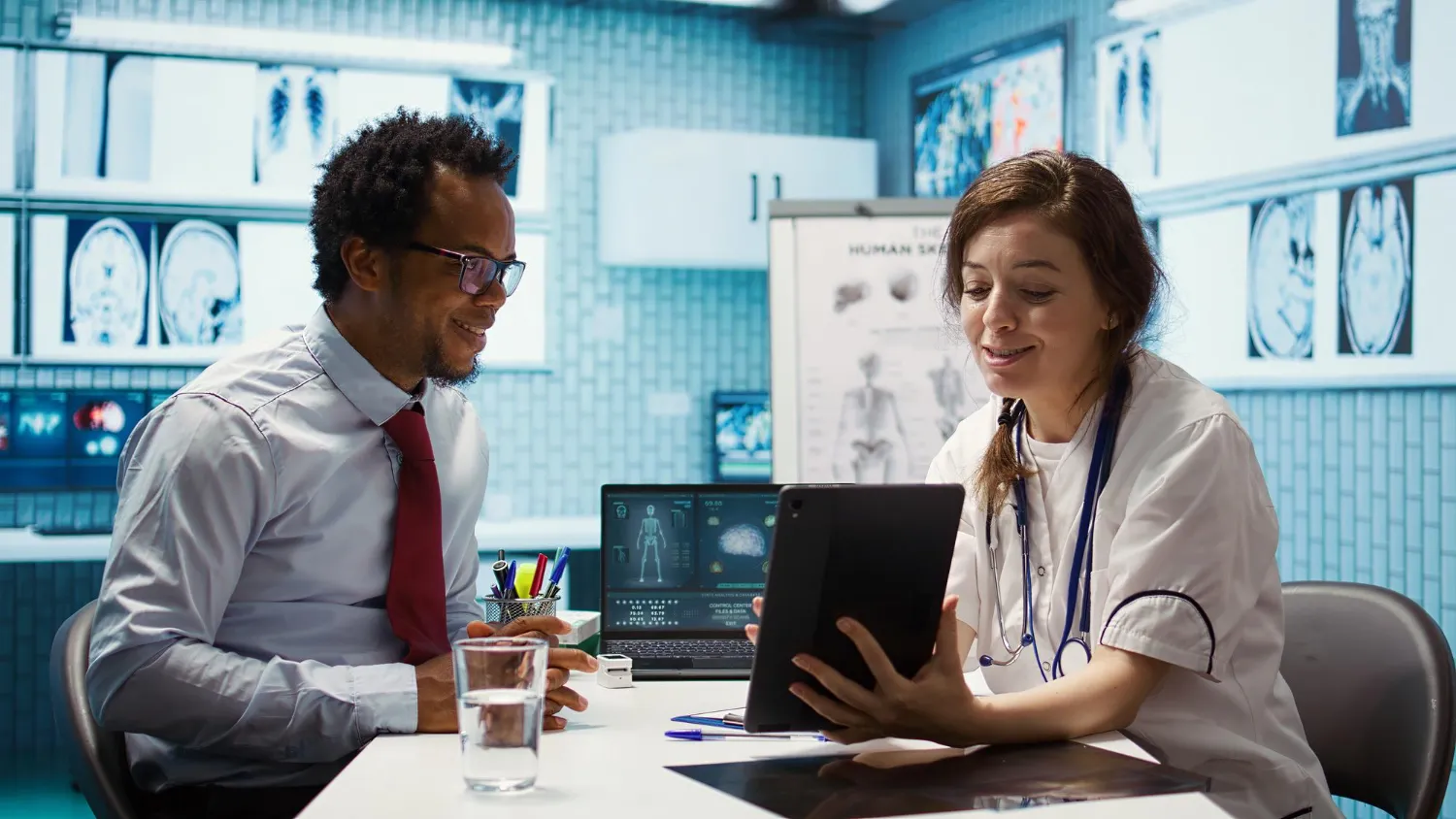
Conclusion: Technology Makes CCM Consistent, Scalable, And Patient-Centered
Technology is not here to replace care teams, it just complements them. The proper Chronic Care Management Solutions are able to provide reliable Chronic care management services through consistency and measurability of care planning, patient outreach, medication management, and follow-up.
It is quite evident that for any CCM service provider, it would be a win-win situation: higher success rates, reduced unnecessary use of services, and supported patients between appointments.
FAQs
Does Technology Replace The Human Side Of Chronic Care Management?
No. Technology supports care teams by organizing workflows, improving visibility, and enabling consistent follow-up. The relationship and clinical judgment still matter.
What’s The Most Important Feature In Chronic Care Management Solutions?
Workflow fit. If the tool doesn’t support prioritization, tasking, documentation, and follow-through, it won’t scale, even if it has great features.
Is Remote Monitoring Required For CCM?
Not always. It can be valuable for certain patients, but CCM can still be effective with structured outreach, medication support, education, and coordination.
Make Chronic Care Support Happen Between Visits
Use Chronic Care Management Solutions to scale consistent Chronic care management services, so your CCM service provider team can follow up faster, improve adherence, and keep patients stable at home.