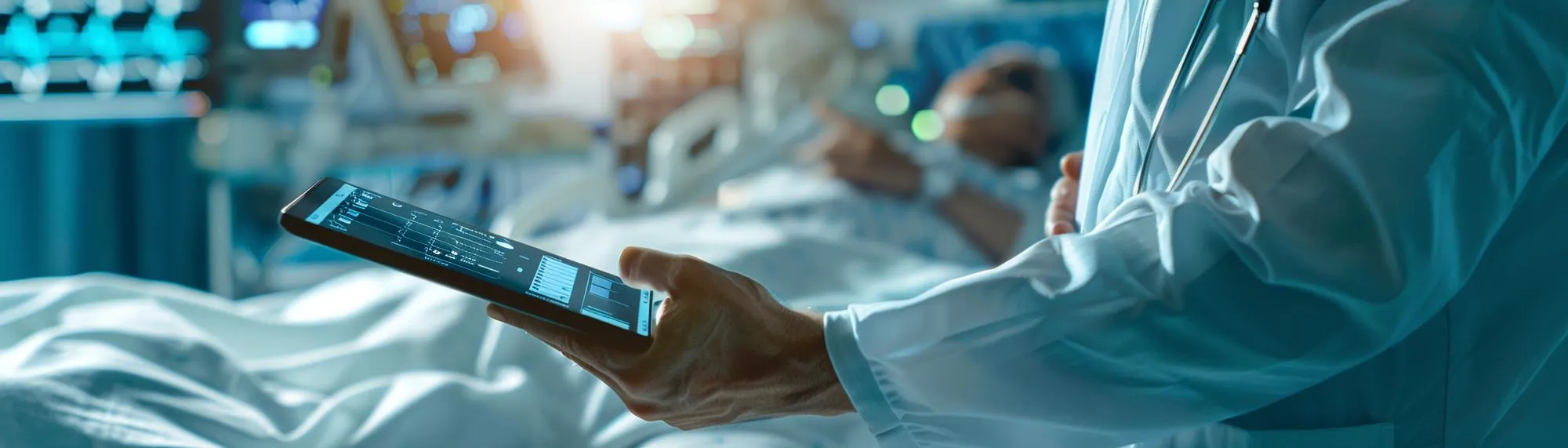
Healthcare is subtly changing from just regular checkups to constant observation. Now, folks aren’t content with seeing a doctor every few months. They want timely answers when things aren’t right, whether it’s new symptoms, changed meds, or unclear progress.
Remote monitoring steps in to help here. Essentially, it bridges the gap between a patient’s home and the clinic. This way, both the person at home and their care team get better insights daily and between appointments. Because of this, health monitoring solutions are now common in managing chronic illnesses, helping people after they leave the hospital, and even in wellness programs. Instead of waiting to see what happens, healthcare can watch for issues and jump in to help right away.
This guide will walk through what remote health monitoring is, explain how it works from start to finish, share the top reasons why it’s getting so popular, show examples from real life, point out any roadblocks to its use, and wrap up with tips on choosing a good solution.
What are Remote Health Monitoring Solutions? (simple explanation)
Remote health monitoring involves collecting health data, like vitals and symptoms, remotely. This info is then shared through a platform for review and action when necessary.
There are two key concepts here:
First, you have remote health monitoring which is about gathering and sending health data.
Second, there’s remote clinical consultation, where a doctor uses the collected data to offer advice, tweak treatment plans, or step up care as needed.
The point is, some tools do an awesome job collecting data, but aren’t so hot when it comes to supporting what the doctors need to do. Others offer clinical support but rely on manual, inconsistent data capture. Strong health monitoring solutions connect both, reliable data plus a clear path to action.

Types of Health Monitoring (how modern monitoring is categorized)
Not all monitoring is the same. Most programs fall into one of these categories:
On-demand monitoring
The patient takes a reading when needed, such as checking blood pressure when symptoms occur.
Best for: lower-risk patients, occasional tracking, or self-management support.
Tradeoff: less consistent data, easier to miss trends.
Implicit or passive monitoring
Data is collected continuously or automatically, often through wearables or sensors.
Best for: trend detection, higher-risk patients, and early warning systems.
Tradeoff: more data volume, requires strong alert design to avoid noise.
Hybrid monitoring
A mix of passive data plus manual inputs, like a wearable plus symptom check-ins.
Best for: balancing convenience with context.
Tradeoff: requires patient engagement and a clear routine.
The type you choose affects usability, cost, and outcomes. It also determines how much clinical workflow support you’ll need.
How Remote Health Monitoring Works (end-to-end workflow)
The technology matters, but the workflow is what makes monitoring effective. A typical end-to-end workflow looks like this:
Step 1: Select the condition + monitoring plan
The care team defines what to track and how often. This is where “too much data” and “not enough data” decisions get made.
Step 2: Devices or sensors capture vitals
Examples include blood pressure cuffs, pulse oximeters, glucose meters, scales, temperature sensors, and wearables.
Step 3: Data syncs to an app or platform
Readings sync via Bluetooth, Wi-Fi, or manual entry. Reliability here is critical.
Step 4: Clinicians or care teams review trends and flags
Dashboards surface trends, thresholds, and risk patterns. The goal is to reduce the time it takes to spot deterioration.
Step 5: Intervention
Intervention can be a message, a call, a care plan adjustment, medication changes, escalation to urgent care, or scheduling a visit.
The takeaway: workflows are the backbone of effective health monitoring solutions. Without clear review and escalation steps, monitoring becomes “data collection” instead of care improvement.
Why More People are Switching: the Biggest Benefits
Convenience without losing oversight
Remote monitoring helps by cutting down on unnecessary in-person visits, yet patients don’t lose care. It’s super useful for folks needing chronic care follow-ups or post-discharge check-ins they get support without always having to hit the clinic.
Earlier detection of deterioration
Having continuous visibility lets you catch issues faster than waiting for regular check-ups. This means spotting infections and lung problems early, plus seeing trends in blood pressure before big crises hit.
Finding these things sooner usually results in fewer complications, less need for re-admittals, and generally better health down the road.
Better access for chronic conditions and long-term care
Patients with chronic conditions don’t need one-time care; they need routine support. Monitoring helps reduce barriers for mobility-limited patients, rural patients, and anyone who struggles with frequent travel.
More efficient care team support (without 1:1 staffing)
Hiring a full-time nurse for each patient isn’t feasible. Monitoring systems help by enabling better triage. This lets care teams prioritize patients based on risk, not just who reaches out first.
Remote patient monitoring is most effective when it helps teams focus on the patients who need it most. That’s what allows support to be scaled without overwhelming the staff.
Remote Health Monitoring Device Classifications (what’s powering the switch)
The devices powering adoption generally fall into these groups:
Implicit reading devices: Wearables and sensors that collect data automatically. Great for continuous tracking and trend detection.
Manual reading devices: Patient-initiated readings, such as a blood pressure cuff or glucometer. These can work well when routines are simple and onboarding is strong.
Embedded or multi-purpose devices: Devices that serve multiple functions, such as smartwatches that track heart rate, activity, and sleep.
What to consider when choosing devices:
- Accuracy and clinical reliability
- Ease of use for the patient
- Syncing method and consistency
- Battery life and maintenance
- Support and replacement process
Even the best platform struggles if the device experience is frustrating.
Real-World Use Cases Driving Adoption
Here are some major ways that remote monitoring is advancing:
Patients leaving the hospital face big risks, but ongoing monitoring can stop problems early and lower readmission rates. People with chronic illnesses also gain from it, because it lets doctors catch issues faster. Some workplaces now use it to watch workers in risky jobs, aiming to prevent injuries. There’s also a push in insurance to use this tech to offer better care at lower prices.
For athletes and fitness buffs, the perks of tracking health data boost personal performance and make using these devices cooler. In all these areas, reliable remote monitoring wins support when it translates into action, not just extra info.
Challenges Slowing Adoption (and how solutions are improving)
Remote monitoring has its flaws. Common issues involve connectivity and syncing troubles, like Bluetooth or app problems leading to failed data transmission. Handling large volumes of data can overwhelm teams too. Plus, scaling up by adding more devices and patients may disrupt existing processes. Making things trickier, ensuring that systems work well across different platforms and EHRs remains a challenge.
Though modern fixes, such as improved device standards and smarter alert systems, are helping, evaluating these key points is still crucial.
Important Considerations when Evaluating Health Monitoring Solutions (buyer checklist)
When picking a solution, make sure to check these boxes:
- Device compatibility and onboarding ease
- Robust data security and privacy
- Alerts that highlight important info without being overwhelming
- Fit within clinical workflows, showing who reviews data and how escalation works
- Interoperability and future flexibility
- Useful reporting dashboards for tracking performance
Remember, it’s not just about the device; it’s about finding a system that can turn data into quick actions.
FAQs
1) Is remote health monitoring the same as telehealth?
No. Telehealth is usually a one-time virtual visit. Remote monitoring tracks data over time and supports ongoing follow-up based on trends.
2) What conditions benefit most from remote monitoring?
Chronic conditions like hypertension, diabetes, COPD, and heart failure often benefit because trends and early intervention matter.
3) What should I look for in a monitoring solution?
Reliable devices, easy onboarding, secure data handling, meaningful alerts, clear clinical workflows, and reporting that shows outcomes.
Conclusion
People switch to remote monitoring because it boosts visibility, access, and timely help. Patients receive support at home, and care teams can respond sooner with better organization and less confusion—especially with solutions from Central Health Solutions. The top health monitoring solutions include trustworthy gadgets, efficient processes, and useful info. This makes monitoring an actual part of care, not just gathering data.
Turn Check-Ins Into Real Progress
Remote health monitoring helps you spot issues earlier, stay consistent, and support better outcomes without constant in-person visits.