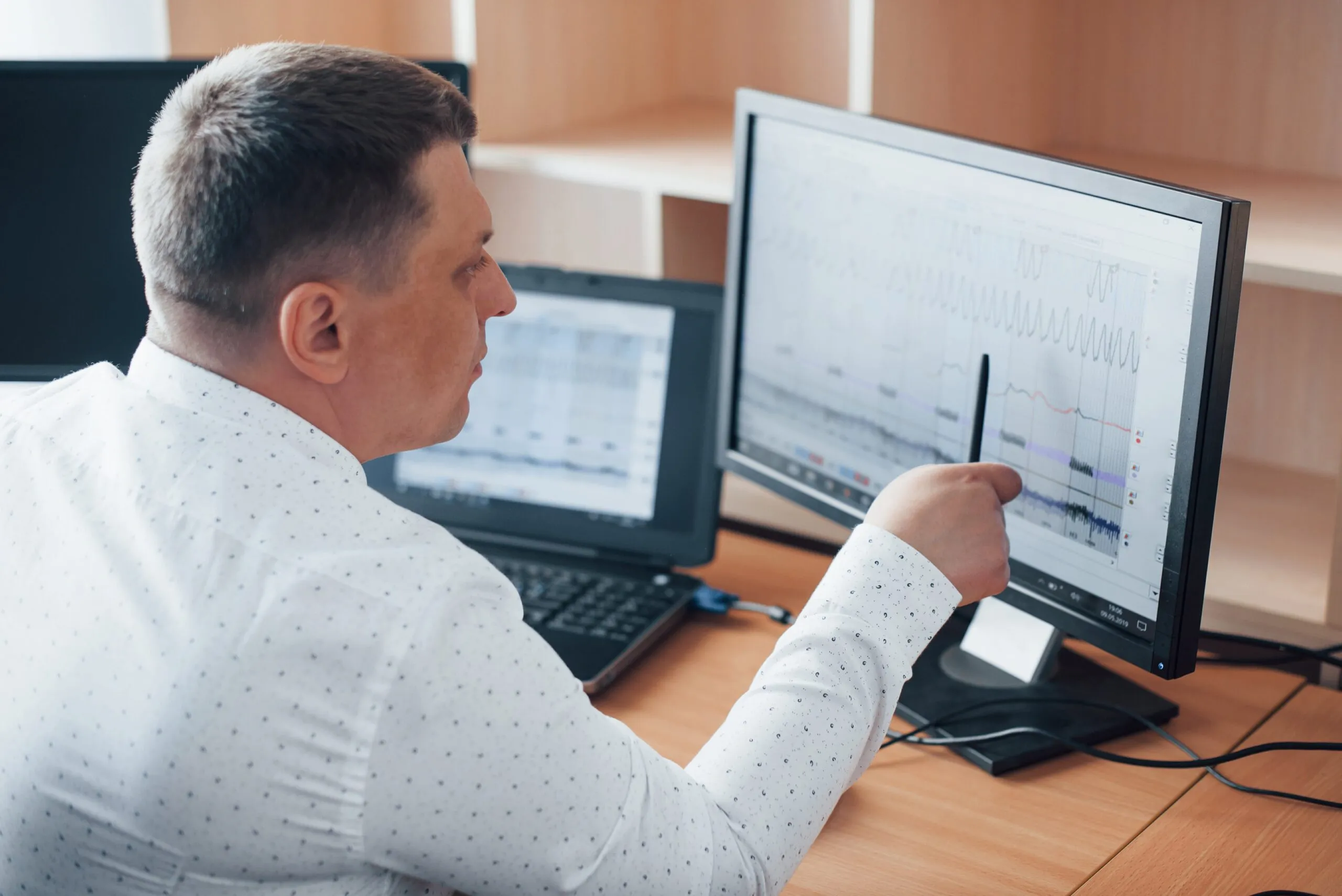
Healthcare today starts and ends anywhere except within the confines of clinics and hospitals. The recent years have seen an incredible shift towards innovative care delivery models. People suffering from various health conditions treat themselves at home, they recover elsewhere, and they demand greater flexibility in engaging with medical specialists and their institutions. In turn, the healthcare industry searches for effective means to provide quality services without straining professionals and resources.
This is where remote patient monitoring solutions are so relevant. Remote patient monitoring solutions ensure that healthcare providers remain connected with their clients beyond clinics and hospitals. This technology allows delivering more efficient and flexible treatment. It enables professionals to observe patients’ health progress and respond proactively, thus providing better assistance.
What Is Remote Health Monitoring and How Does It Work?
Remote health monitoring is basically the process of gathering and analyzing health information about a patient from outside the usual healthcare facility. This way, patients do not have to visit the clinic just to report their vital signs.
The procedure is quite easy. Patients gather the necessary health information using some device or application. This may include things like blood pressure, heart rate, oxygen saturation, glucose level, body weight, or even the symptoms that they are experiencing. These pieces of information are then transmitted through digital platforms to be analyzed by the healthcare provider.
Tools That Power Remote Patient Monitoring Solutions
The technology behind remote patient monitoring solutions is what makes continuous care possible.
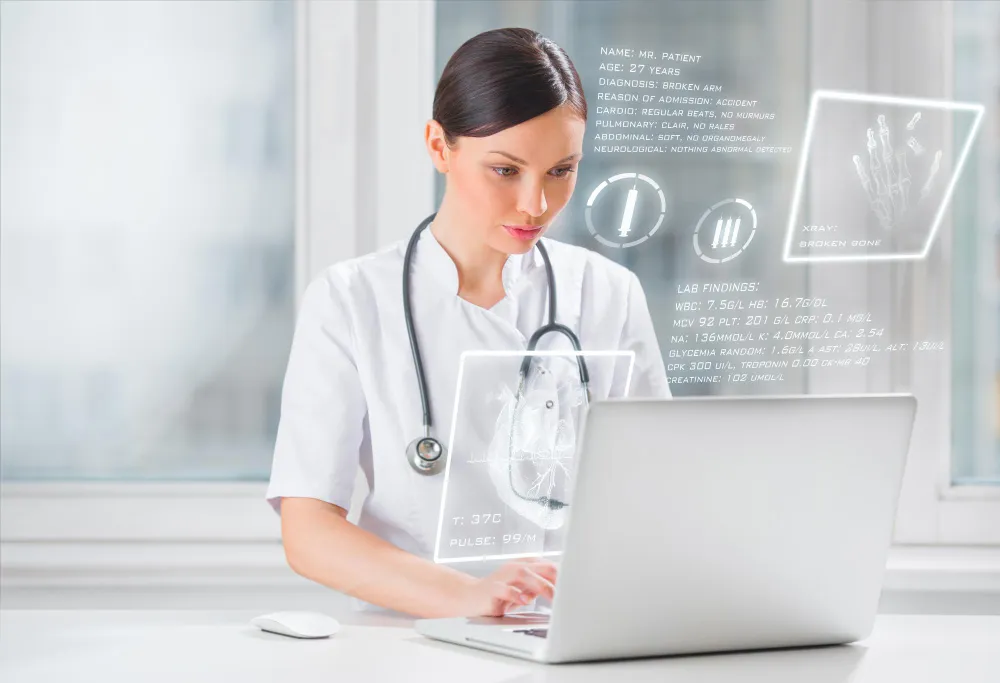
These tools help patients capture health data in real time and help providers respond faster when something changes.
Common tools include:
- Wearable devices like smartwatches, glucose meters, and fitness trackers
- Blood pressure monitors, pulse oximeters, and home-based sensors
- Mobile apps and dashboards connected through digital care systems
As a result, these technologies contribute to a more proactive approach to providing medical assistance. It means that, instead of waiting for the next appointment, physicians may evaluate the existing situation and respond accordingly.
The Role of Remote Patient Monitoring Systems In Modern Healthcare
Currently, many of the most widespread health issues require constant supervision rather than periodic consultations. Apart from hypertension, asthma, diabetes, and heart disease, many other diseases belong to this group. This is why telehealth plays an important part in today’s healthcare environment. It serves as a reliable means of delivering health services outside of the hospital or medical facility, which will ensure the continuation of health care delivery.
Better Outcomes Through Remote Monitoring Services
One of the biggest benefits of remote monitoring services is earlier intervention. When providers can see changes in a patient’s health data sooner, they can respond before those changes become more serious.
This can lead to:
- Faster follow-up when warning signs appear
- Fewer avoidable complications
- Better chronic disease management
- Lower risk of hospital readmissions
Continuous visibility gives care teams a stronger chance to step in early, which often improves both patient safety and long-term outcomes.
How Remote Health Monitoring Improves Access and Comfort for Patients
Access is one of the biggest reasons remote care continues to grow. remote health monitoring helps patients who face barriers such as limited mobility, transportation challenges, long travel distances, or difficulty taking time away from work or caregiving responsibilities.
It also improves comfort. Many patients feel more at ease managing care from home, where they can follow routines in familiar surroundings. That comfort often leads to better engagement, more consistent tracking, and greater confidence in managing health day to day.
How Remote Monitoring Software Helps Healthcare Providers Use Resources Better
For providers, the challenge is not just delivering care, it is delivering care efficiently. Remote monitoring software helps by organizing patient data, surfacing important trends, and reducing the need for constant manual follow-up.
This allows care teams to:
- Minimizing unnecessary in-person visits
- Priority should be given based on current needs
- It will ensure focus is given to the areas where needed
- Allowing more people to be helped without straining the system equally
Simply put, it allows the organization to manage its time, resources, and staffing better.
How Remote Monitoring Services Help Create Safe Health Care Environments
The necessity to remain safe in one’s own environment becomes very important for older individuals, patients who are at risk, and patients recovering from their illness or stay in the hospital. Remote monitoring tools help provide a safe environment for health care through early identification of any potential issues.
Remote health technology enables caregivers to be informed whenever the patient’s readings go beyond their threshold limits. This is highly significant in locations where access to medical personnel is scarce, or where there is a need for patient care without constant travel.
The Long-Term Value of Remote Patient Monitoring Solutions
The value of remote patient monitoring solutions goes beyond short-term convenience. Over time, they support better continuity of care across chronic disease management, recovery, and preventive care.
They also help create:
- Stronger patient engagement through regular data sharing
- Better follow-up and communication
- More efficient healthcare systems
- Smarter use of technology in everyday care delivery
As healthcare continues to evolve, remote monitoring is becoming less of an “extra” and more of a core part of how care is delivered.
What to Look for In Remote Monitoring Software and Services
Not every platform or program offers the same value. If you are evaluating remote monitoring software or service options, look for a solution that supports both patient experience and provider workflow.
Important features include:
- Easy-to-use tools for patients and providers
- Secure data handling and reliable communication
- Compatibility with connected devices and care workflows
- Scalable remote monitoring services for chronic care and post-acute support
The best systems make remote care easier to adopt, easier to manage, and more useful over time.
Why Remote Health Monitoring Is Now Essential
The evolution of healthcare is toward becoming a more interconnected and adaptive system. This change is not just a trend; rather, it represents the needs of today’s patients and a reality that the healthcare system must address.
This is precisely why remote health monitoring has become indispensable. Leveraging remote health monitoring software, remote patient monitoring technology, and remote monitoring services allows for improved access and better efficiency within the current healthcare landscape.
FAQs About Remote Patient Monitoring Solutions
What Is Meant By Remote Patient Monitoring Systems?
This refers to methods used to monitor patients’ health information in locations other than the doctor’s office, such as at home, with the help of technology.
How Does Remote Monitoring Software Assist Healthcare Providers?
The software makes it easier to organize patient information, trigger alerts, lessen follow-ups, and facilitate better decision making.
Why Is Remote Health Monitoring Essential In Today’s World?
It improves access, supports earlier intervention, reduces unnecessary visits, and helps healthcare systems deliver more continuous care outside traditional settings.