
Going home from the hospital can mean that there are two emotions at once: relief and uncertainty. The patient is relieved to be going home, yet there is also a great deal to process, new medication, and the pressure of getting well outside of the hospital setting. For many families, the first few days can be overwhelming.
It is here that Transition Care Management plays such a vital role. Transitional care management helps fill the gap between the hospital and the home, providing the patient with the support they need during this critical time of recovery. Instead of leaving the patient to try and figure everything out on their own, it helps them on their way in a safer and more connected way.
What is Transitional Care Management?
In simpler terms, transitional care management can be defined as the support that patients need to ensure that they recover safely and effectively after being discharged from the hospital. Transitional care management mainly targets the period within the first 30 days after discharge from the hospital when patients are more likely to experience confusion and further health complications.
The main aim of transitional care management is to ensure that patients have their care connected. This means that patients need to understand their discharge plan and also have check-ins before their conditions become worse.
Why Patient Care Management Matters After Hospital Discharge
The post-discharge phase is arguably the most critical phase of a patient’s journey to recovery, as it is during this phase that a patient is likely to be improving physically but at the same time adapting to a new routine,
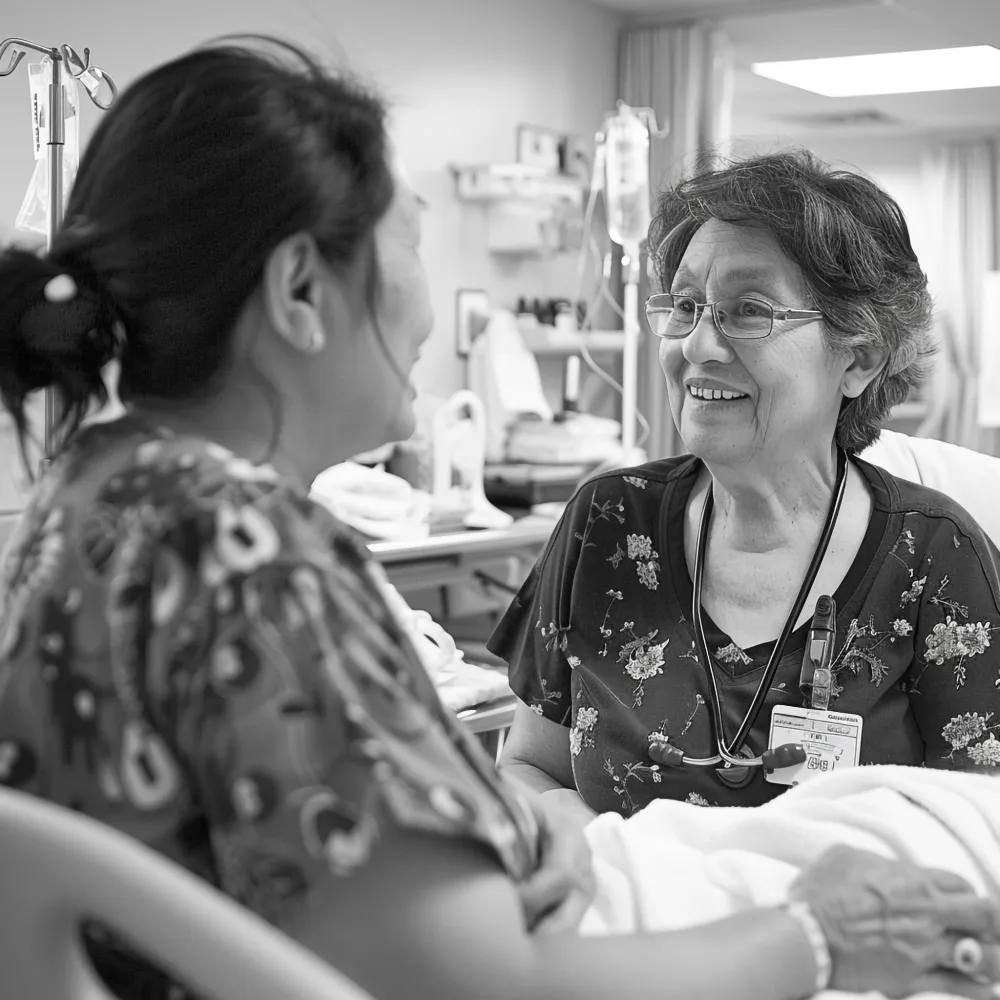
new medication, and possibly new limitations at home. It is during this phase that, due to unclear instructions or delayed follow-ups, the patient’s recovery can turn out to be more stressful and less safe.
It is at this phase that patient care management can play a critical role in the patient’s journey to recovery, as it can help the patient to better manage, stay informed, and feel more confident about what to do next, thereby reducing the risk of setbacks for the patient.
How Transitional Care Management Supports Recovery at Home
However, when the patient finally goes home, the process of healing does not just happen by itself. It requires a structured approach and communication. The purpose of transitional care management is to minimize confusion and maximize the patient’s healing process with fewer avoidable complications.
The Process of Communication Involved in Transitional Care Management
The best thing about the process of transitional care management is the communication involved. This can be done by making a phone call to the patient. This will ensure that the patient does not miss any step in the process of healing. This process will also ensure that the patient does not miss any appointment. This is because patients are given a lot of information when they are going home. This can be overwhelming to the patient. This means that the patient can easily forget some of the details later. However, communication will ensure that the patient has the opportunity to clarify anything that he/she does not understand.
Medication Safety and Patient Care Management at Home
Medication changes are one of the biggest reasons patients struggle after discharge. A patient may have stopped one medication, started another, or received new dosage instructions, and if that isn’t clearly explained, mistakes can happen fast.
That’s why patient care management plays such an important role at home. Medication reviews help patients understand what to take, when to take it, and what side effects or warning signs to watch for. This reduces the risk of medication errors, harmful interactions, and avoidable readmissions.
Patient Education and Health Management Information for Recovery
This is because patients heal better when they understand what is going on and what is required of them. With health management information, patients and their families do not feel overwhelmed. This information can range from wound care to signs of complications, among other things. However, it is important to note that patients need information in simple terms. If patients feel that they are getting information in simple terms, they will always respond better.
Tracking Recovery with Transitional Care Management and Home Health Care Services
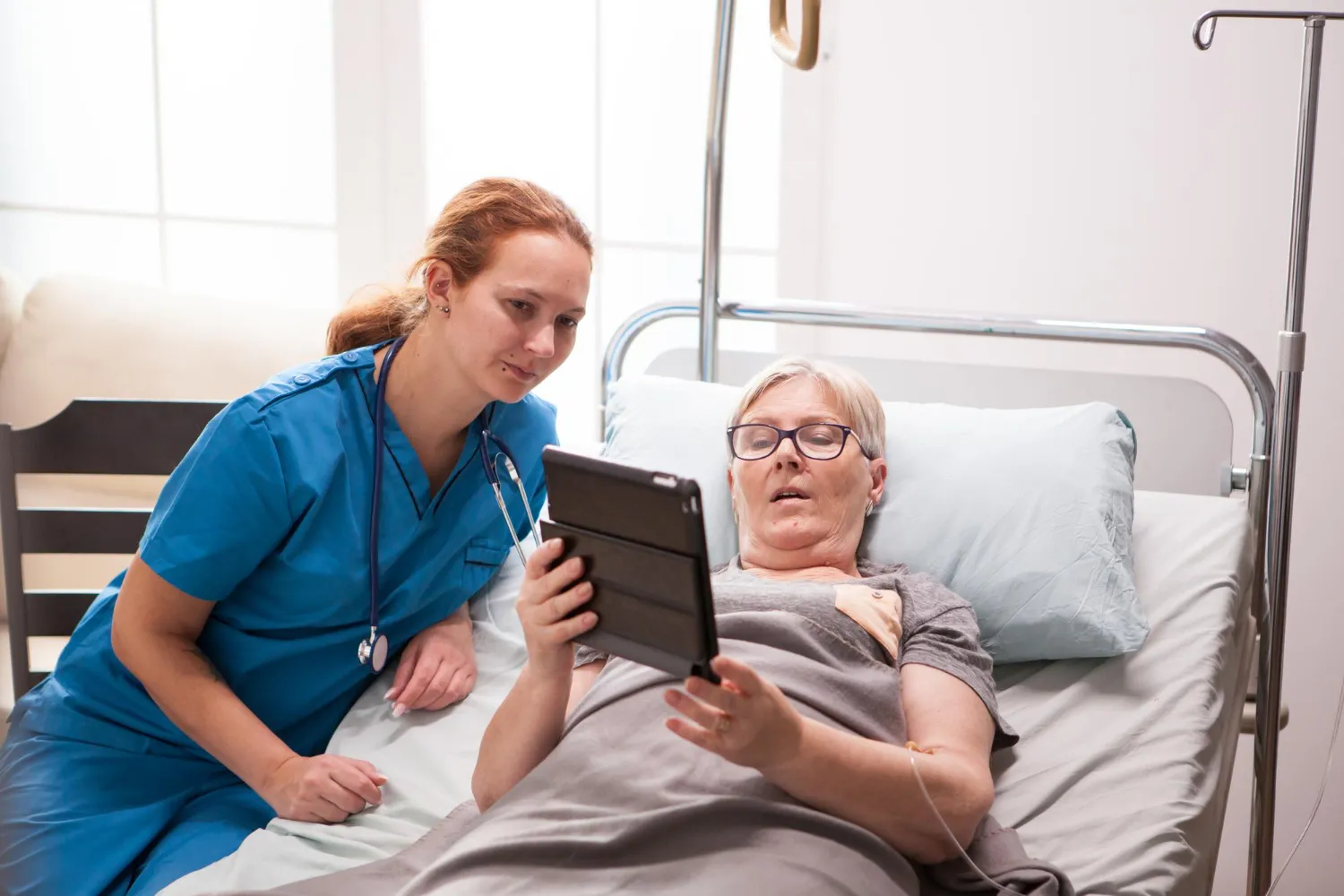
Recovery is an ongoing process that needs tracking, especially in situations where patients are dealing with complications. With transitional care management services, it is possible to track patients’ recovery by making follow-up calls to them. However, in situations where patients need more care, it is possible to provide them with home health care services. These services will enable the care team to get better information regarding how patients are recovering in their homes. Tracking recovery is important because it will help in the early detection of complications before they become emergencies.
Connecting Patients to Home Health Care Services and Community Support
Not every recovery challenge is strictly medical. Some patients need help with transportation, meal support, mobility, caregiver assistance, or access to local resources. If those needs go unmet, recovery can become much harder.
This is another area where home health care services and community support can make a difference. Transitional support teams can help connect patients to the right services so they’re not trying to manage recovery alone. That extra layer of support often improves both safety and peace of mind.
How Patients and Families Can Get the Most From Patient Care Management
A great deal can be done by the patient and the family to make the process smoother.
Here Are Some Tips That Can Be Helpful:
- Keep discharge papers and prescriptions in one place
- Ask questions if anything seems unclear
- Stick to medication and care routines as closely as possible
- Make sure to attend follow-up appointments and report new symptoms promptly
- Make use of family members and caregivers to help you keep track and transport you to appointments
The more organized and informed the patient is, the more easily the process can be managed.
FAQs About Transitional Care Management
What Is Included In Transitional Care Management?
It includes follow-up contact after discharge, medication management, support for care plans, appointment management, and monitoring for warning signs during the process of healing.
How Does Patient Care Management Help Patients After Discharge?
It helps patients stay organized, understand and follow instructions, and manage medications and stay connected to the care team for better healing.
When Is Home Health Care Needed After Discharge?
Home health care is needed when patients need extra help at home, such as clinical support, help with movement, or closer monitoring for healing.
Why Transitional Care Management is A Safety Net After Discharge
These days can be very important in defining the whole experience of recovery. When patients don’t feel supported, confusion and problems can ensue. When patients do feel supported, guided, and informed, recovery is that much safer and easier for them.
That’s why transitional care management is such an important safety net. When combined with effective patient care management, health management information, and access to home health care services where appropriate, patients can transition from hospital to home with greater confidence and fewer problems.