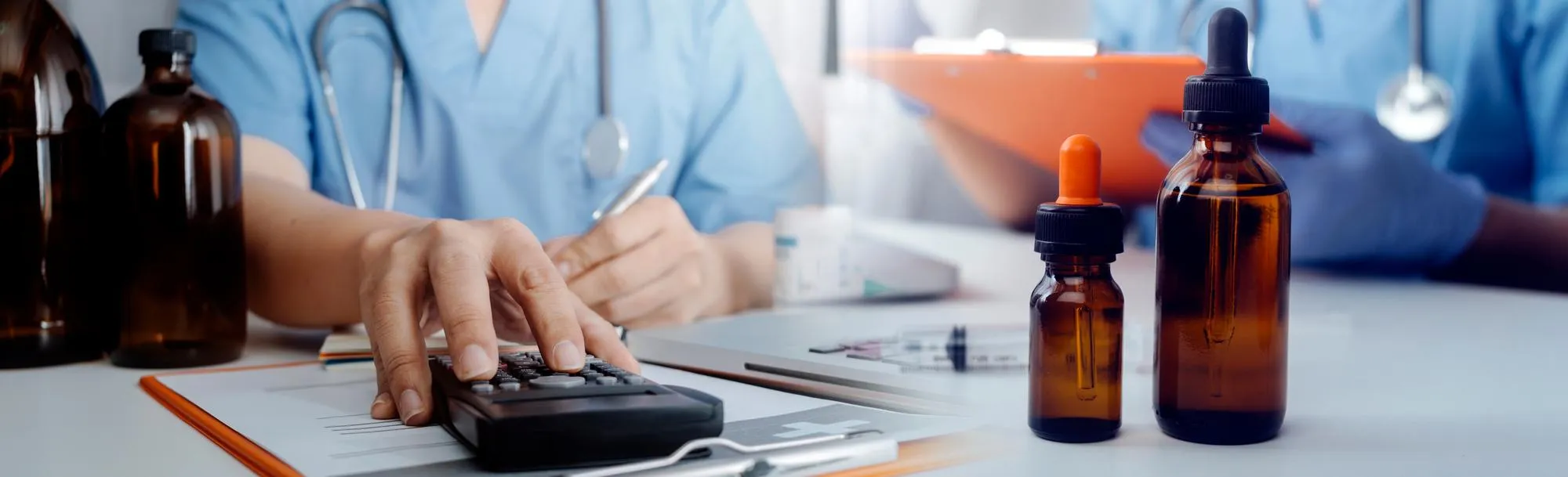
Remote Patient Monitoring does not simply mean monitoring blood pressure or basic vitals from a distance any more. Today’s healthcare organizations adopt comprehensive Patient Monitoring Programs, positioning advanced Remote Wellness Monitoring Systems at the core to deliver a smarter, better-connected experience for both the patients and the care teams. These systems integrate medication reminders, real-time alerts, and seamless communication that help clinics and provider networks improve outcomes, boost efficiency, and stay ahead in the rapidly changing world of healthcare.
The true strength of RPM or Remote Patient Monitoring comes from its capability to enhance patient compliance management, particularly with respect to medication compliance and process-oriented care transition. With a system that automatically reminds patients and providers about medication and fills gaps that develop as patients transition from one care environment to another, today’s Patient Monitoring Program helps healthcare providers identify and act upon issues early and deliver care that truly revolves around patients. It is time to look beyond what is enough and build a strong platform for better and improved business outcomes.
The Evolution of Remote Patient Monitoring
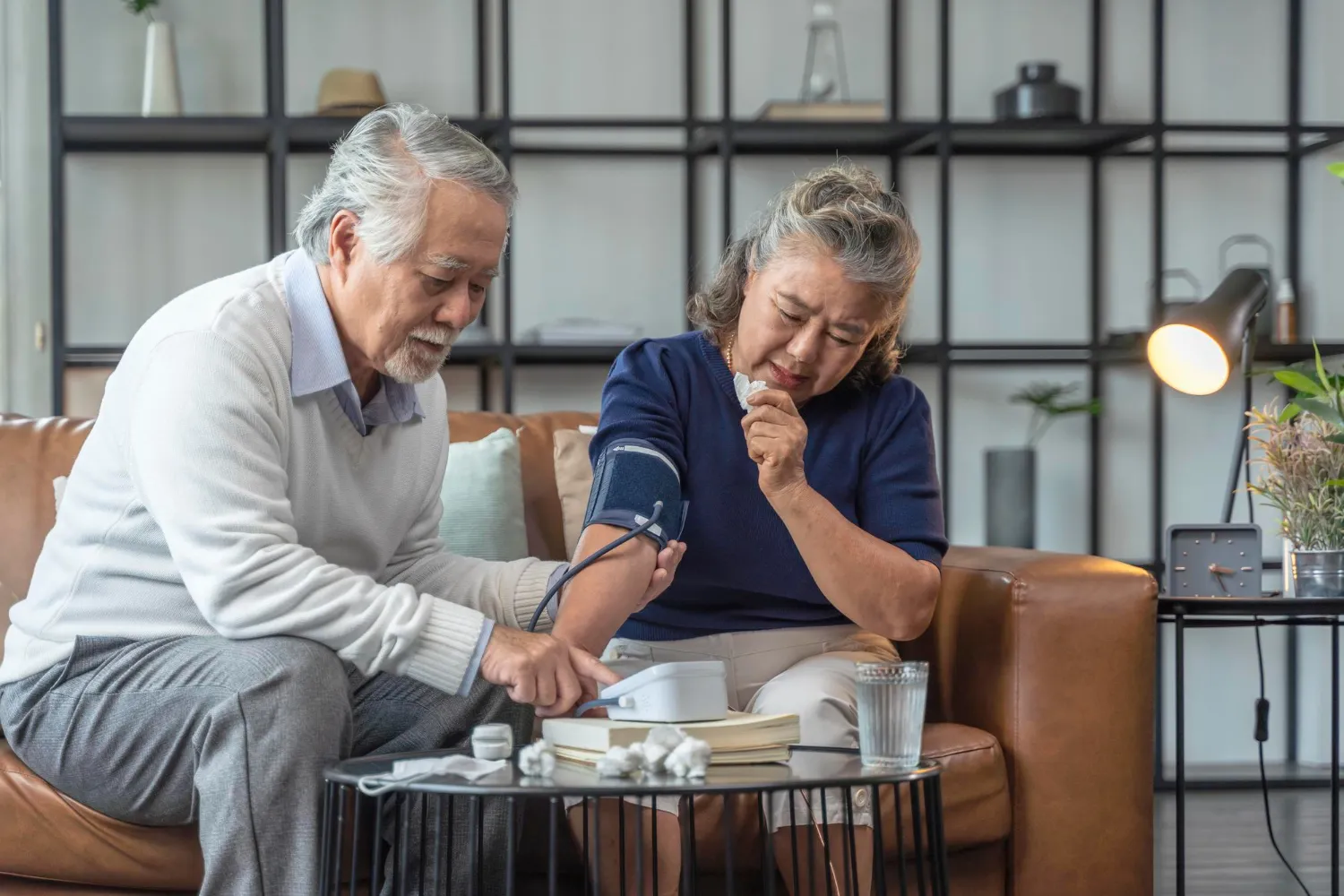
So, what is Remote Patient Monitoring? Quite simply, RPM involves the use of digital technologies to collect a patient’s health data outside traditional healthcare settings-think at home, at work, or even on vacation. A Patient Monitoring Program uses such information to allow clinicians to monitor the health of the patients in real time, thus enabling earlier interventions and more personalized care.The old way of doing RPM was fairly simple: a patient with high blood pressure might take their readings every day and transmit the data to their physician. That is only the tip of the iceberg. Today, RPM solutions which can sometimes be referred to as Remote Wellness Monitoring System have the potential to do much more than simply tracking a single bit of data. They have the potential to observe the entire patient, not just a single bit of data.

Medication Adherence: A Persistent Healthcare Challenge
Why Medication Adherence Is So Challenging
The truth is, there are many reasons a person might have to take medicines, but there can be reasons for not complying with the medicines prescribed to a patient. The reasons can vary from person to person, but in short, poor compliance with prescribed medicines can have serious effects on health, which results in increased readmissions to healthcare facilities as well as costs in dollars every year.
The Limitations of Traditional Compliance Management
In the past, patient compliance was managed through face-to-face interactions such as medication counting or personal reporting, which is not always accurate or indeed practical for patients or providers. That is where cutting-edge patient compliance management technology comes into its own and where RPM is a game-changer.
How Comprehensive RPM Helps in Medication Adherence
Current remote patient monitoring tools come equipped with many capabilities that make taking medications easier and more efficient. Think about having an alert system that gently reminds users when it is time to take medications, notifies caregivers should the patient miss taking medication, and even breaks down patient education into bites that come via the patient’s phone. Two-way communication capabilities allow the patient to ask questions or seek more questions or more instructions.
For instance, a Remote Wellness Monitoring System can ping a patient automatically when it is time to take their medication, check if they have acknowledged the same, and alert their care manager if any doses are skipped. The purpose here is not merely to pester patients but to assist and hold them accountable. Patients feel less alone, and their care providers get information to provide timely and personalized care.
In practical application, these characteristics assist patients with chronic illnesses in staying on course, preventing complications, and feeling more empowered in managing their condition. For the healthcare provider, there would be no surprises, with greater room for intervention before a small problem advances into a crisis.
Supporting Care Transition with RPM
Transition care those days and weeks following a patient’s release from the hospital can be a vulnerable time. Patients may be getting used to new medications, learning self-care routines, or may simply be overwhelmed with all of the changes. This is also the time when things can fall through the cracks, leading to preventable readmissions or setbacks.
A Patient Monitoring Program fills all these gaps by providing ongoing oversight and proactive support. With RPM, clinicians may track the progress of a patient at home, catch early warning signs, and schedule follow-ups well in advance of complications setting in. To patients, it means having a safety net during such a critical period: there is someone watching out for them, even when not in the clinic.
Proactive care, such as frequent check-ins or reminders, helps to address problems such as forgotten medications or progressing symptoms early on. Such active care can be the key to a successful recovery.
Combining Compliance Management with RPM
The biggest benefit that can be derived from modern RPM solutions has to do with the fluid integration between patient compliance elements. This means that instead of having to use different solutions or written systems, everything can be handled from a central location.
What this means for healthcare providers is having visibility into who is taking their meds, who is missing, and where they need to focus. It also enables providers to focus their efforts based on what the individual needs, based on real-time information. What improves as a result? Patient participation, hospital readmission, and patient outcomes.
Patients can benefit from the personal touch and the experience of partnership that a patient engagement solution can provide. This can easily lead them towards their treatment plan since they feel heard and empowered. Additionally, the accessibility of everything they need on their mobile or tablet eliminates the usual challenges that contribute towards poor patient engagement.
Case Study: Real-World Success with RPM
For example, take a medium-sized clinic that introduced a Remote Wellness Monitoring System for patients who had heart failure. The clinic had been experiencing a high rate of readmission due to missed treatments or poor post-discharge monitoring before RPM implementation.
With the rollout of the Patient Monitoring Program, patients began to receive reminders, educational information, as well as calls from care managers to check in. Patients who missed doses were marked in the system to allow the hospital to take corrective action. Adherence to medication saw an increase of over 30% in the first six months, and hospitalization rates also reduced. Patients felt more confident in managing their health on their own, and the hospital had the information necessary to take proactive steps.
Conclusion: The Extended Value of Comprehensive RPM
Remote Patient Monitoring has truly come of age-from its humble origins as a basic blood pressure tracker to the centerpiece of modern patient compliance management. Today’s RPM platforms can do so much more than data capture: they actively support medication adherence, help streamline transition care, and foster closer relationships between patients and providers. By combining real-time insights, patient education, and seamless two-way communication, these systems help everyone achieve better healthcare outcomes.
Looking forward, the future of patient compliance and Remote Wellness Monitoring Systems is bright. We will witness more intelligent functionality, EHR integration, and analytics all combined in a solution that keeps patients healthier and healthcare practitioners better informed.
Ready to take your medication adherence to the next level and provide ongoing support to your patients? The time is now to start evaluating a Patient Monitoring Program solution, or perhaps upgrade to an innovative Remote Patient Management solution. It is not just an investment, it’s an investment in care, it’s an investment in lives.