Why Chronic Care Needs More Than Occasional Visits
If you have a chronic illness, you already know your health doesn’t run on a neat schedule. Symptoms can shift on a random Tuesday — not just during a 15-minute appointment. Flares happen. Energy dips. Blood pressure rises. Breathing feels harder. Sleep changes. And by the time your next visit comes around, you’re trying to summarize weeks of ups and downs from memory. That’s where stress, confusion, and missed warning signs often begin.
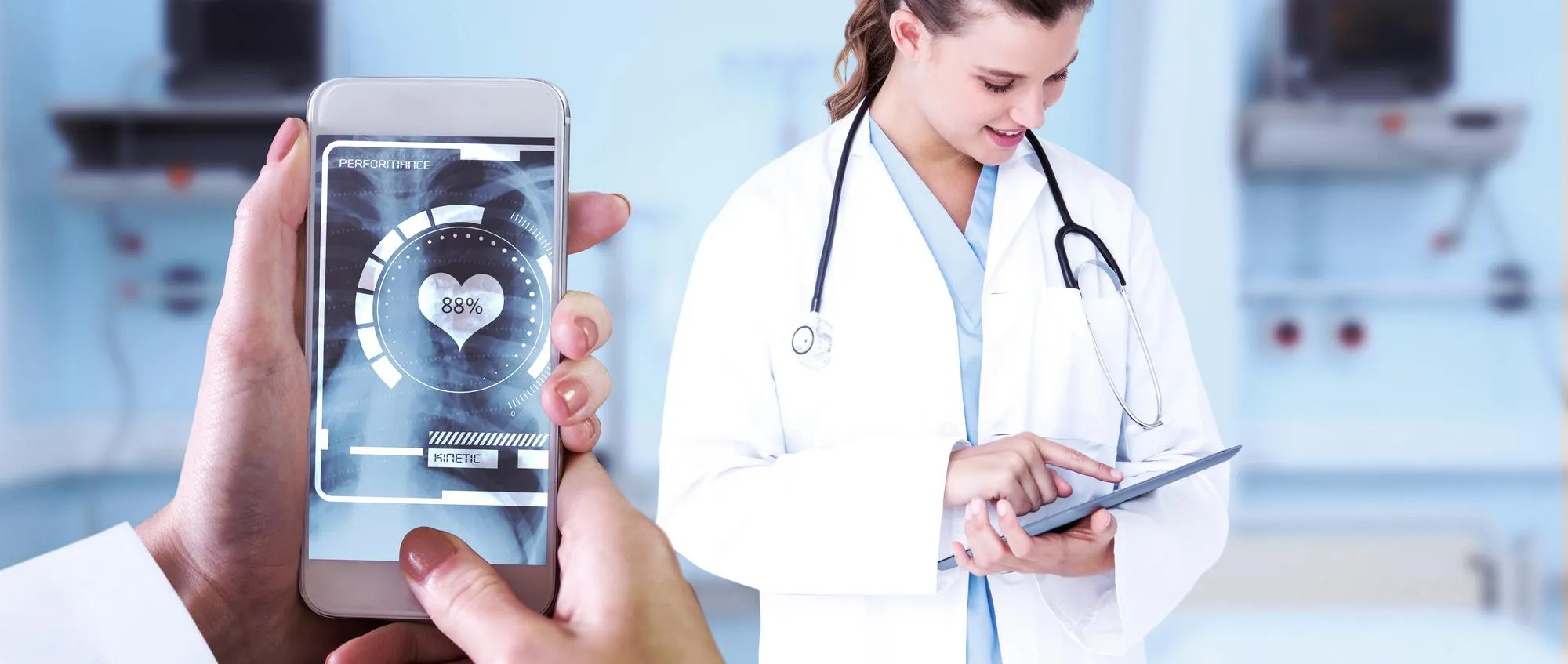
That’s exactly why Digital Health Monitoring is becoming such a key part of chronic care. Digital Health Monitoring helps patients and care teams stay connected between visits using simple tools that track trends and flag issues early — before they turn into bigger setbacks. In this blog, we’ll break down what it includes, who benefits most, and why it supports not just patients, but caregivers and care teams working toward better outcomes with less guesswork.
What Is Digital Health Monitoring (and what it includes)
Digital Health Monitoring is the use of interconnected tools to monitor health information over time, sometimes from home, and share it with a care team when necessary. Instead of just relying on visits, it offers a better understanding of what is happening on a day-to-day basis so that changes are not missed.
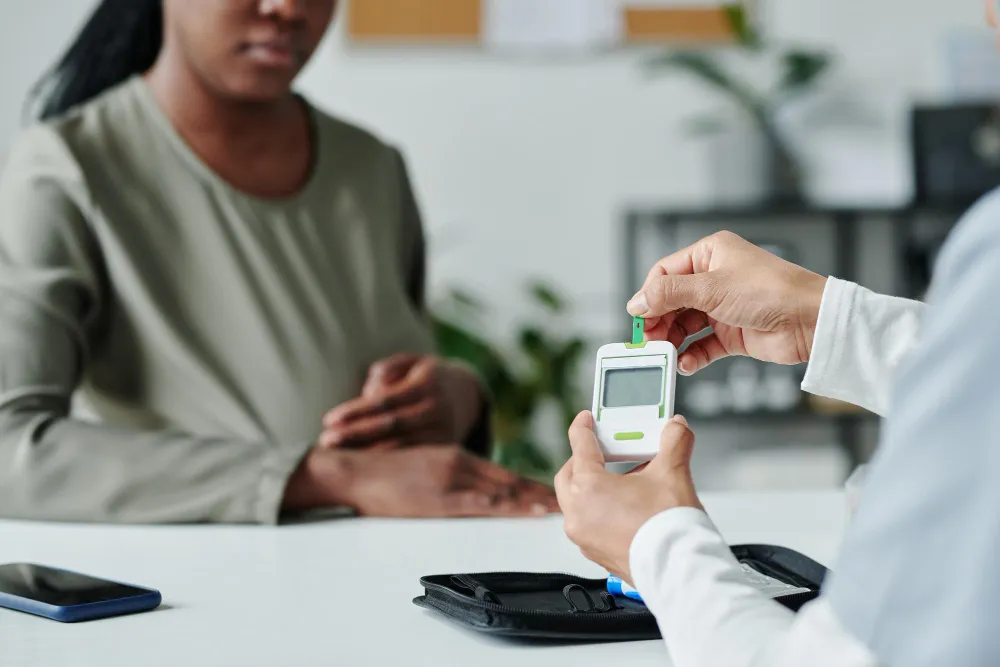
It can include the use of connected devices (blood pressure monitors, glucose meters, pulse oximeters, smart scales), mobile apps for symptom and medication tracking, alerts for out-of-range readings, data visualization tools for viewing trends, and medication reminders or follow-up reminders. It is commonly observed in home monitoring for chronic patients, post-hospitalization monitoring, and for patients who need closer monitoring but do not need frequent visits.
Who Benefits Most (common chronic conditions + care scenarios)
Digital Health Monitoring is especially valuable for conditions where small changes can signal bigger problems.
Common chronic conditions include:
1. Diabetes
2. Hypertension
3. COPD or asthma
4. Heart failure
5. Obesity
6. Chronic kidney disease (CKD)
It also benefits patients who:
- Have multiple conditions and complex medication routines
- Need ongoing support but face mobility limits or transportation barriers
- Live in rural areas or have limited access to frequent in-person care
- Rely on caregivers who need clearer guidance and reassurance
This is where Remote Patient Support becomes a practical lifeline, not just a “nice add-on.”
Key Benefits for Patients
Earlier recognition of problems, fewer surprise flare-ups: Because you can see trends, you can spot problems earlier. A gradual increase in blood pressure, symptoms of shortness of breath, or weight gain/loss can be managed before they become emergencies.
Improved self-management and confidence: Patients feel more empowered when they can see trends and understand what impacts their symptoms. It changes “I don’t know why I’m feeling worse” to “I see what happened, and I know what to do next.”
Convenience: fewer unnecessary visits: Not all problems require an urgent visit. Monitoring helps to minimize unnecessary travel, waiting, and lost work time, while still keeping care teams informed.
More tailored care plans based on real data: Rather than creating a care plan based on a snapshot every few months, care plans can be modified based on real-life trends, what’s working, what isn’t, and what needs help.
Key Benefits for Providers and Care Teams
Providers can see trends over time, which helps them make better decisions and not have to “guess” based on one data point in the clinic.
Better prioritization: With visibility into who’s starting to struggle, you know who needs a call today – and who can wait. Rather than treating everyone the same, your team can target where it matters most.
Better medication management: Most patients aren’t missing doses because they don’t care. They have busy lives. Side effects occur. Instructions become confusing. Regular check-ins and simple reminders make it easier to stay on track.
Fewer unnecessary ER visits: Early identification of warning signs gives teams the opportunity to intervene – adjust medications, provide guidance, or schedule follow-ups – before small problems become big ones.
The Role of Remote Patient Support in Long-Term Success
Here’s the part people sometimes miss: data alone doesn’t change outcomes. Support does.
Remote Patient Support is what turns monitoring into real-life improvement. It can include:
Personalized coaching: Motivation that is all about small, realistic steps – progress that actually fits into daily life.
Regular check-ins: Regular meetings to check progress, discuss challenges, and change the plan if needed.
Clear, simple education: Educating patients about what their numbers mean – and what to do next.
Clear action plans: Action plans for abnormal results, so no one is left wondering what to do next.
Ongoing routine support: Support with reminders, habits, and keeping patients engaged in the long run. And importantly, it keeps the human element front and center. The goal is not to make patients feel watched, it’s to make them feel supported. When done well, patients feel “seen,” not monitored.
Digital Health Monitoring Solutions in Action (workflow examples)
Here’s what it might look like in practice, in a way that seems useful.
Example 1: Diabetes management + lifestyle suggestions + medication reminders
The patient tracks glucose levels, receives reminders for medications, and receives simple suggestions such as hydration reminders or meal suggestions. If the glucose levels are trending high for a few days, the medical team is notified to follow up.
Example 2: COPD symptom management + early intervention
The patient tracks symptoms such as shortness of breath, cough, and oxygen levels. If the oxygen levels are low or symptoms are deteriorating, the system alerts early so the patient can seek advice before it becomes an ER visit.
Example 3: Heart failure monitoring + weight/fluid alerts
Daily weight monitoring can catch fluid retention early. A sudden weight increase triggers an alert, prompting outreach and potential medication adjustments before symptoms escalate.
This is the real power: Digital Health Monitoring doesn’t just collect data, it helps teams act on it at the right time.
What to Look for in Digital Health Monitoring Solutions (B2B buyer checklist)
If you’re considering Digital Health Monitoring Solutions, here are the real-world must-haves:
- HIPAA compliance and robust data security
- User friendliness for patients (easy setup, intuitive instructions, accessibility)
- Accommodation for language requirements and varying comfort levels with technology
- Integration with EHR/EMR and care coordination systems
- Intelligent alerting and dashboarding that filters out noise and focuses on what’s important
- Reporting capabilities to enable outcomes measurement and improvement of programs
- Scalability, implementation, and support for staff and patients
The best solutions work within real-world workflows, not just perfect-world workflows.
Challenges to Expect (and how to solve them)
Patient adoption and device fatigue: People can get tired of tracking. The fix is to keep routines simple, focus on the few metrics that matter most, and explain the “why” clearly.
Data overload for staff: If every reading creates an alert, teams burn out. Smart alerting, thresholds, and prioritization rules are essential.
Connectivity issues and digital literacy: Not everyone has reliable internet or comfort with apps. Strong onboarding, patient-friendly education, and flexible options make a big difference.
Conclusion
Chronic care is most effective when it is consistent, proactive, and human. With the right approach, Digital Health Monitoring can help improve outcomes, reduce unnecessary escalation, and give patients more confidence on a daily basis. For care teams, it means improved visibility, smarter outreach, and more efficient support.