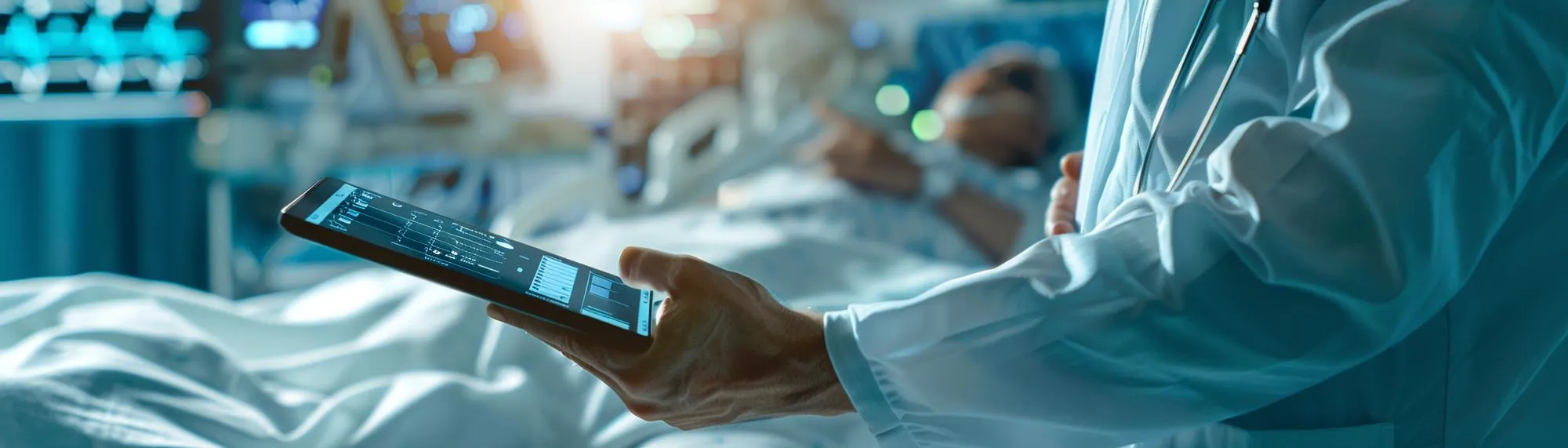
Recovery does not end when a patient leaves the hospital. In many ways, that is when the most uncertain part begins. Pain levels change day to day, mobility can improve or suddenly dip, medication routines start, and patients are left wondering what is normal versus what needs a call right now.
That is why health monitoring solutions are becoming the new standard for post-surgery recovery. Health monitoring solutions help patients feel supported at home while giving care teams better visibility into what is happening between follow-ups, when complications can quietly develop.
In this blog, we will break down what these solutions are, why traditional follow-ups are often not enough, what risks monitoring can catch early, and what to look for when choosing a recovery monitoring approach.
What are Health Monitoring Solutions In Post-Surgery Care
Health monitoring solutions for recovery post-operatively are devices or services that assist in monitoring the progress of recovery from surgery. This technology is supposed to supplement the follow-up visits rather than replace them.
These may comprise of various elements based on the type of surgery:
- Monitoring of any symptoms of discomfort such as pain, swelling, nausea, vertigo, and breathing difficulties
- Vital sign monitoring, including temperature, blood pressure, heart rate, and oxygen saturation
- Notifications or escalation processes when any signs exceed normal parameters
- Remote contact or check-ups with medical personnel
- Education and daily guidance, what to do today, what to avoid, what to watch for
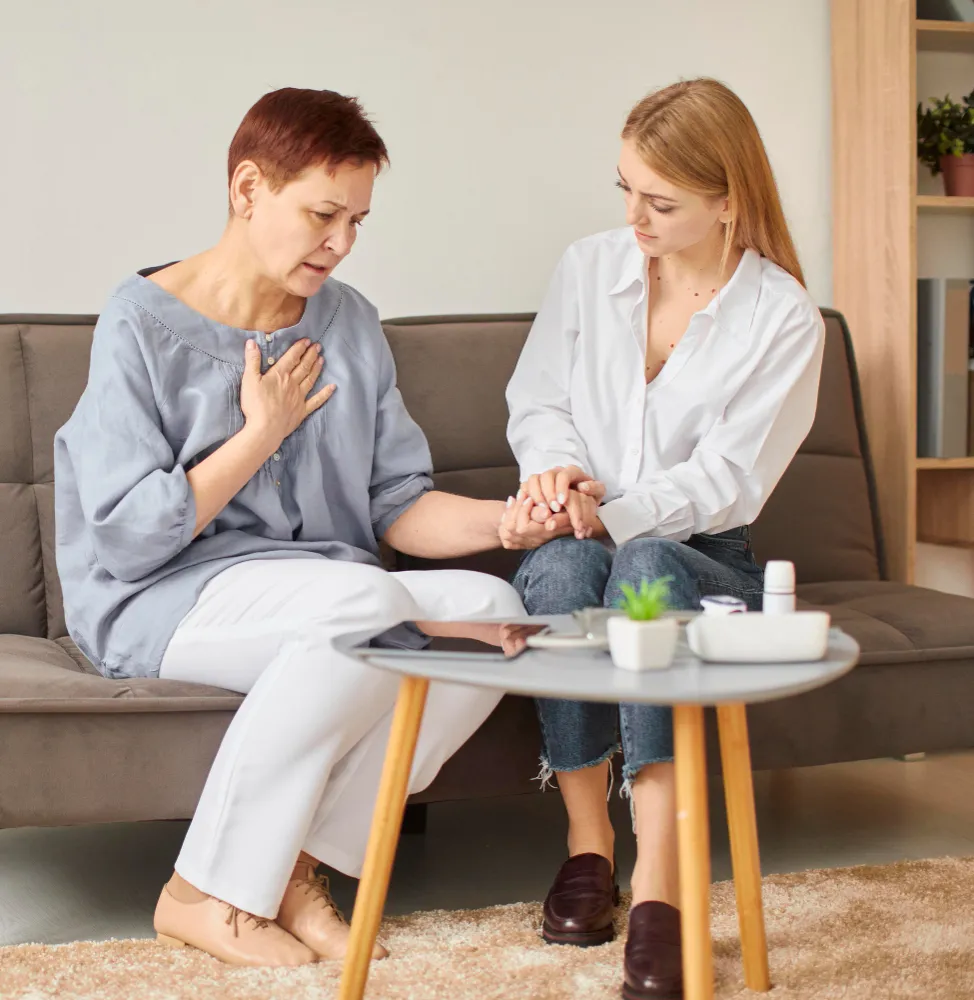
The goal is simple: reduce uncertainty for patients and reduce blind spots for care teams.
Why Traditional Post-Op Follow-Ups are Not Enough
Post-op follow-ups are important, but they are spaced out. Recovery is not. A patient can feel stable on day three and develop a fever on day five. A wound can look fine in the morning and show new redness by evening. Pain medication can work well for two days and then trigger side effects.
Here is where traditional models often fall short:
- Follow-ups are scheduled days or weeks apart, but changes happen daily
- Patients may wait too long to report symptoms because they do not want to “bother” anyone
- Care teams have limited visibility between visits
- Small issues can escalate into readmissions or avoidable ER visits
Monitoring fills the gap by creating a structured way to notice changes earlier and respond faster.
The Biggest Post-Surgery Risks Health Monitoring Solutions Help Catch Early
Most post-op complications do not start as emergencies. They start as signals. Monitoring helps surface those signals sooner, when intervention is easier.
Infection signs and wound changes
- Fever or shivering
- Redness, heat, swelling, or drainage
- Increasing pain in wound rather than decreasing
Sudden increases in pain and drug effects
- Sharp increase in pain
- Nausea, constipation, dizziness, and confusion
- Overmedication or sensitivity to drugs
Vitals changes that signal risk
- Blood pressure shifts
- Oxygen level drops
- Dehydration signs, weakness, low intake, lightheadedness
Mobility decline and safety risks
- Reduced movement compared to the prior day
- Falls risk, unsteadiness, weakness
- Warning signs that could suggest clot risk, depending on the surgery and patient history
Anxiety and confusion about what is urgent
- Patients unsure whether symptoms are normal or serious
- Delayed reporting or unnecessary panic
Monitoring helps bring clarity and reassurance.
How Health Monitoring Solutions Improve Patient Confidence and Adherence
A big reason recovery goes off track is that patients feel alone. They may have instructions, but they still have questions. They may have a plan, but they struggle to follow it consistently.
Monitoring helps by providing:
- Clear daily guidance, reminders, and check-ins
- More confidence that someone is paying attention
- Better medication routines and activity compliance
- Faster answers to common recovery questions, “Is this normal?” “Should I call?”
When patients feel supported, they are more likely to follow restrictions, do recommended mobility exercises, and report symptoms early.
How Health Monitoring Solutions Help Providers Deliver Safer Recovery At Scale
From the provider side, monitoring is not just about collecting data. It is about improving triage and using resources more efficiently.
Key benefits include:
- Earlier detection that reduces complications and readmissions
- Better triage, who needs outreach now versus who is stable
- More efficient use of staff time and follow-up resources
- Stronger documentation and continuity of care across the recovery window
Instead of relying on patients to self-identify problems, care teams can use monitoring signals to prioritize outreach and intervene sooner.
Where Health Monitoring Solutions Fit Best (Common Surgery Scenarios)
Monitoring can aid in various postoperative recoveries; however, it is most helpful when there is an increased level of risk or difficulty in follow-ups.
Some of the situations are:
Post-operative recovery of orthopedic surgeries: Monitoring pain, movement, inflammation, and fall risk after procedures like knee or hip replacements
Follow-ups after cardiac surgeries and high-risk individuals: Continuous monitoring of vital signs with quick alerts for changes
Seniors and those suffering from chronic conditions: Patients with diabetes, COPD, cardiovascular diseases, or multiple conditions need closer monitoring
Day surgery and early discharge: Monitoring becomes essential in the first few days after returning home
Characteristics of Health Monitoring Programs for Post-Surgery Recovery
All monitoring programs are not the same. When assessing a program, consider:
- Ease of patient enrollment and easy-to-follow daily processes
- Clear escalation pathways and provider alerts, what triggers outreach and who responds
- Secure data handling and reliable communication
- Customizable recovery pathways by procedure type
- Reporting for outcomes, adherence, and risk flags
The best solutions feel simple for patients and structured for care teams.
FAQs
Are Health Monitoring Systems Substitutes for Follow-Up After Surgery
No. These monitoring systems work alongside follow-up appointments, providing additional support during recovery.
Which Symptoms Should Patients Report Immediately After Surgery
Fever, increased wound redness or discharge, sharp pain, breathing difficulty, low oxygen levels, severe dizziness, and confusion should be reported immediately.
Who Is The Most Suitable Patient Group for Post-Operative Care
Elderly patients, high-risk individuals, chronic condition patients, and those discharged early after surgery benefit the most from post-surgery monitoring.
Conclusion
In fact, it may be after discharge when the risk for post-operative recovery becomes highest, not during the hospital stay especially without coordinated support from Central Health Solutions. This is when problems can develop silently, patients may feel uncertain, and small issues can escalate quickly.
Therefore, the use of health monitoring solutions has become a necessity in modern care. They improve confidence, increase adherence, enable early detection, and help prevent emergency visits or hospital readmissions.
Don’t Let Recovery Risks Hide at Home
Health monitoring solutions help catch complications early, reduce uncertainty, and keep post-surgery recovery safer between follow-ups.