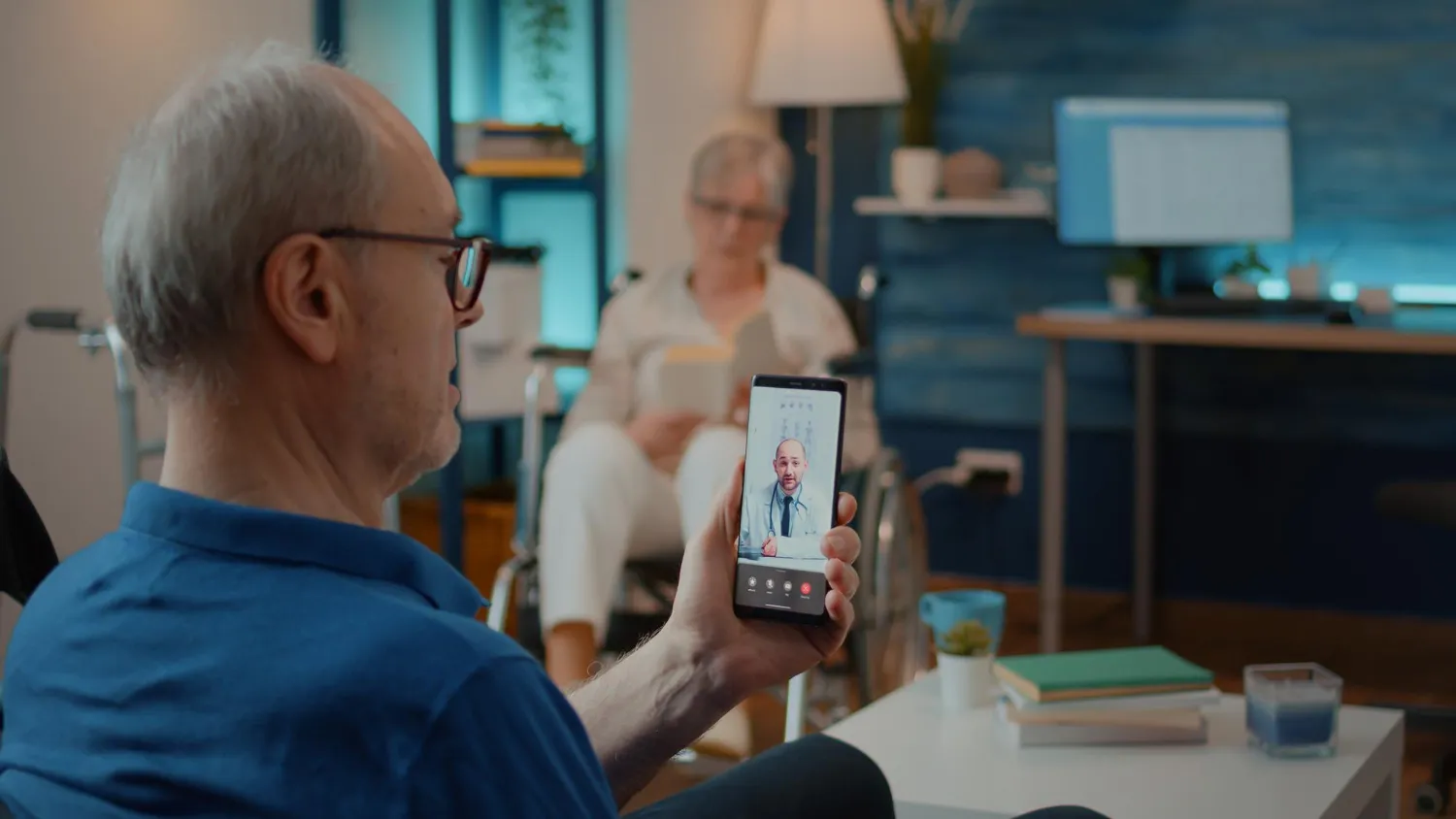
Chronic care doesn’t only take place within scheduled office visits. Chronic care takes place on routine days, as symptoms wax and wane, normal rhythms fail, medications become confusing, and the next visit isn’t for weeks yet. In primary healthcare, it is during this “in-between time” that patients are most challenged, and problems may go unaddressed until a major crisis emerges.
The use of remote chronic disease management services is therefore crucial in the contemporary management of chronic diseases. Remote chronic disease management services allow providers to extend their reach outside of the office and enable patients to navigate the challenges of chronic diseases without getting overwhelmed.
The tool that makes this possible is Remote Patient Monitoring (RPM). This guide will walk you through what RPM is, what it measures, how it is done, and how RPM can be used most effectively as part of chronic care solutions.
What Is Remote Patient Monitoring (RPM)?
RPM refers to remote capture of health data from patients, which is analyzed by a clinical team, followed by taking some necessary steps.
RPM can be found in:
- Chronic disease programs in primary care
- Follow-up after hospital discharge
- High-risk patient follow-up
- Multidisease management where trend analysis is more important than individual measurement
Difference Between RPM and Telemedicine (A Quick Distinction)
Telemedicine usually involves only one virtual consultation. RPM, on the other hand, involves ongoing monitoring of patients’ health status. The ability of clinical teams to observe trends instead of focusing on a single point in time is essential for managing chronic conditions.
What Chronic Conditions Benefit Most From RPM in Primary Health Care?
RPM can support many conditions, but it’s especially useful when:
- Symptoms can worsen gradually
- Early intervention prevents complications
- Consistent routines are hard to maintain
- Trends matter more than a single reading
Common RPM-supported conditions include:
- Hypertension
- Diabetes
- Heart failure
- COPD and other respiratory disorders
- Obesity and metabolic syndrome (where applicable)
- Post-stroke care assistance (as needed)
Chronic diseases make great candidates due to the fact that they require constant monitoring and can detect the early stages of decline, improve compliance, and increase consistency. This is one reason that RPM becomes an essential part of remote chronic disease management programs.
How RPM Works: The Basic Workflow (Step-by-Step)
RPM programs vary, but most follow a similar structure:
Step 1: Eligible Patient Identification and Baseline Measurements
A baseline measurement is taken by the care team to identify eligibility and set initial goals and risks.
Step 2: Device and Application Installation + Training
The care team provides patients with devices and trains them about how to use and record their readings. This step is crucial for making sure that patients use remote patient monitoring correctly.
Step 3: Monitoring of Patient Data
Patients are asked to monitor and document their vital signs, symptoms, drug adherence, and sometimes certain aspects of their lifestyles.
Step 4: Reporting and Clinical Evaluation of Data
All monitored data is entered in the program’s dashboard for review and analysis by the care team.
Step 5: Notification and Care Plan Modification
If there are changes in the patient’s condition, the care team should take appropriate measures including reaching out and changing the treatment plan.
Step 6: Program Optimization and Maintenance
Successful programs usually continue evolving and adapting as time passes.
What RPM Systems Typically Monitor (and Why It Matters)
RPM isn’t about collecting “more data.” It’s about collecting the right data consistently.
Common monitoring areas include:
Vitals
- Blood pressure
- Blood glucose
- Weight
- Oxygen saturation
- Heart rate
Symptoms and Patient Experience
Patients may experience fatigue, difficulty breathing, dizziness, pain, edema, or other condition-specific symptoms.
Medication Adherence and Follow-Up Check-Ins
Check-ins can help to uncover missed doses, side effects, or misunderstandings before an emergency situation arises.
Behavioral and Lifestyle Clues (If Applicable)
Activity level, sleep, triggers, and behavioral cues can provide additional context. It is important to monitor patients since monitoring helps with early identification and improved daily management for patients who might only receive assessments sporadically.
How RPM Helps Chronic Conditions: The Biggest Benefits
Better Disease Control Through Earlier Detection
RPM allows healthcare providers to identify issues earlier compared to visit-based healthcare delivery models. This enables earlier interventions by the healthcare provider, adjustments, and thus prevents the condition from worsening to ER visits and hospitalizations.
Improved Medication Adherence and Self-Management
Medication adherence, even for a single drug, can be difficult, let alone when you have to take several drugs and change your lifestyle. Many RPM programs incorporate reminder systems, education, and loops of accountability, which make patient compliance with the treatment plan simpler.
The chances of success increase when a treatment plan seems easy enough, because the more routine it becomes, the fewer missed medications and readings there will be, and thus less time wasted figuring out what needs to be done.
More Continuous, Personalized Care
RPM allows care teams to use trends, not snapshots. That means treatment changes and education can be based on what’s actually happening in the patient’s daily life, not just what shows up during a single appointment.
Better Access and Convenience for Patients
RPM reduces the travel burden and can reduce unnecessary in-person visits. It’s especially helpful for:
- Older adults
- Mobility-limited patients
- Rural patients
- Patients balancing work, caregiving, and health needs
Improved Efficiency for Care Teams
RPM supports smarter triage, who needs attention now versus later. Over time, earlier intervention reduces workload created by avoidable complications and last-minute urgent visits.
What Makes RPM Successful (Implementation Factors)
RPM success is less about devices and more about execution.
Key factors include:
- Patient Onboarding and Engagement: Straightforward processes, defined expectations, and help when problems arise
- Clinical Workflow Integration: Who analyzes data, frequency, and what initiates communication
- Prevention of Alert Fatigue: Thresholds, prioritization, and escalation methods that ensure the alert remains significant
- Data Quality and Consistency: Reliable device technology and patient compliance with monitoring process
Challenges and Limitations to Address Upfront
RPM isn’t magic, and it works best when challenges are planned for.
Common limitations include:
- Digital literacy and device setup barriers
- Connectivity issues and data gaps
- Privacy and security expectations in primary care settings
- Avoiding data overload for clinicians
This is where structured remote chronic disease management services matter. They add the human workflow, education, and coordination that prevents RPM from becoming “just more data.”
What to Look for in Remote Chronic Disease Management Services (Buyer Checklist)
If you’re evaluating a program, look for:
- Patient-friendly device options and onboarding support
- Clear monitoring protocols and response times
- Reporting dashboards and outcomes tracking
- Integration with primary care workflows and documentation
- Secure handling of patient data and audit-ready logs
- Scalability for multi-condition patients
The best programs feel simple for patients and structured for care teams.
Conclusion
RPM helps chronic conditions by improving visibility, adherence, and timely intervention. It turns chronic care into something more continuous and proactive, instead of reactive and appointment-dependent. And RPM works best when paired with structured remote chronic disease management services, because devices alone do not create outcomes. Consistent support, clear workflows, and coordinated follow-up do especially when powered by solutions from Central Health Solutions.
Stop Letting Chronic Care Fall Apart Between Visits
Remote chronic disease management services + RPM give patients consistent support, earlier intervention, and clearer next steps at home, not just in the clinic.