
The “hospital-to-home” shift isn’t a future trend, it’s already happening. Modern care is moving away from episodic treatment, where patients are only seen during visits, and toward continuous support that follows people through recovery and chronic care.
Here’s the problem: many patients look stable in the hospital, then decline weeks later at home. The post-discharge gap is real. Medications change, routines get disrupted, symptoms creep in slowly, and it’s easy to miss early warning signs until they become an urgent situation.
That’s exactly why health monitoring solutions have become integral components of safer recovery beyond the walls of hospitals. The reason is that health monitoring solutions help care professionals maintain awareness of developments at home so that interventions can be made sooner and avoid unnecessary re-hospitalizations.
In this guide, we’ll break down what Remote Patient Monitoring (RPM) is, how hospital-to-home programs work, why RPM is becoming the standard after discharge, and best practices for implementing it successfully.
What Remote Patient Monitoring (RPM) Actually is (and what it isn’t)
Remote Patient Monitoring (RPM) is the ongoing tracking of vital health data from home and sharing that data with a care team for review and action.
RPM is not “just a device.” It’s a connected care model that combines:
- consistent data capture
- trend tracking
- clinical review
- timely follow-up
RPM vs telehealth (clear distinction)
- RPM: ongoing monitoring and trend tracking over time
- Telehealth: virtual consults or visits, often informed by RPM data
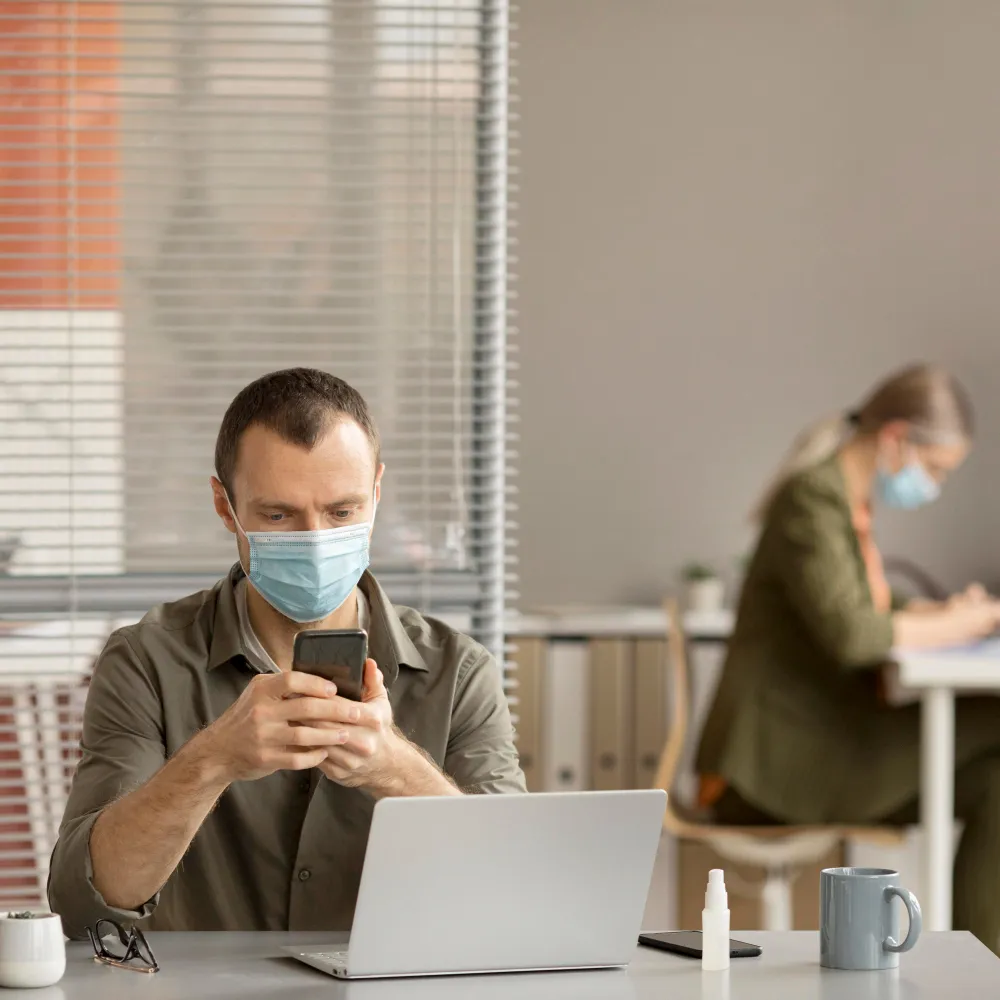
When you combine both, you get a stronger connected care model: RPM provides visibility between visits, and telehealth provides a fast way to act on what the data is showing.
The Core Components of Hospital-to-Home RPM Programs
Hospital-to-home RPM programs typically rely on three core elements:
Remote monitoring devices
Depending on the patient and condition, this can include:
- blood pressure cuffs
- glucose monitors
- pulse oximeters (SpO₂)
- weight scales (especially important for heart failure monitoring)
- wearables tracking heart rate and activity
The goal is simple: capture reliable data without making the patient’s life harder.
A virtual platform to collect and interpret data
The platform organizes readings, displays trends, and highlights what matters. Without a good platform, teams drown in numbers and miss the point of monitoring.
Clinical workflows (the real engine of RPM)
This includes:
- who reviews data
- how often it’s reviewed
- what thresholds trigger alerts
- what escalation looks like (message, call, medication adjustment, visit, ED referral)
This is where health monitoring solutions fit best: turning raw readings into actionable care decisions, not just charts.
Why RPM is Becoming the New Standard After Discharge
Post-discharge care has always been a vulnerable time. RPM is becoming standard because it solves several real-world constraints at once:
Continuous visibility when in-person visits are limited
Weekly check-ins are not typical for most patients after discharge. This is where RPM comes into play by providing continuous feedback that enables caregivers to evaluate if patients are recovering as expected.
Prompt response to any early signs
Subtle variations may have a significant impact; weight gain, lower levels of oxygen saturation, blood pressure fluctuations, or other symptoms. Through RPM, care providers are able to intervene much sooner.
Better continuity across care teams
RPM supports smoother handoffs between inpatient teams, outpatient providers, and home care support. Instead of relying on fragmented updates, everyone can align around the same trend data and escalation plan.
Reduced avoidable readmissions and emergency visits
When patients decline at home, they often end up back in the ED. RPM helps reduce avoidable utilization by catching issues earlier and guiding timely follow-up, which improves outcomes and patient experience.
Clinical Benefits: How RPM Improves Care at Home
Earlier detection of deterioration
One of the biggest clinical wins is catching subtle changes before they become crises. Trend-based monitoring is different from one-time snapshots taken during a visit.
A single “normal” reading in clinic doesn’t always reflect what’s happening across the week. RPM helps teams see patterns, and patterns are what predict deterioration.
More personalized, responsive care plans
RPM supports more responsive care because treatment can be adjusted based on real-time trends, not guesswork.
This also supports evidence-based protocols, because teams can validate whether an intervention is working and course-correct faster when it’s not.
Better chronic condition management between visits
RPM isn’t only for short-term recovery. It’s also a strong fit for chronic conditions like:
- diabetes
- heart conditions and heart failure
- hypertension
- COPD and respiratory conditions
- post-surgical recovery monitoring
This is where health monitoring solutions support long-term stability, not just short-term discharge. They help care teams manage chronic conditions between visits, when adherence and early intervention matter most.
Patient Engagement: Why People Stick with RPM When it’s Done Right
RPM works best when patients feel like it’s helping them, not tracking them.
When done well:
- patients feel more in control because they can see their data
- it builds a partnership model between patient and provider
- it reduces stress because patients know someone is paying attention
- it can reduce unnecessary trips while increasing confidence at home
In one paragraph, one time: patients are more likely to stick with monitoring when routines are simple, expectations are clear, and the follow-up feels consistent, because the value becomes obvious quickly.
Access and Equity: why RPM Matters for Aging and Rural Populations
Supporting independence for older adults
Many older adults prefer staying at home. RPM can support independence by providing a safety net that helps detect issues early, without requiring constant travel.
Reducing travel barriers for rural patients
For rural patients, follow-up care can mean long drives, missed work, and delayed appointments. Remote Patient Monitoring makes follow-up more consistent and timely through health monitoring solutions that keep care teams connected to what’s happening at home.
Economic Impact: Why Systems are Investing in Health Monitoring Solutions
Healthcare systems invest in RPM because it can improve outcomes while reducing avoidable costs.
Key economic drivers include:
- lower utilization of ER and inpatient resources
- smarter allocation of staff time (monitor many patients without 1:1 staffing)
- long-term sustainability through fewer avoidable complications
RPM doesn’t replace clinicians, it helps them focus attention where it’s needed most.
Barriers to Adoption (and how to solve them)
RPM adoption isn’t frictionless. Common barriers include:
Patient and clinician resistance
New care models can feel unfamiliar. The fix is training, clear expectations, and showing early wins (like catching a problem before it becomes urgent).
Interoperability challenges
Systems often don’t “talk” to each other. Standards-based integration and flexible platforms help reduce workflow fragmentation.
Data security and privacy expectations
Patients need to trust that their data is handled securely. Secure platforms, audit-ready logs, and clear privacy communication matter.
The practical theme: adoption improves when programs have structure, not just devices.
Best Practices for Implementing Hospital-to-Home RPM Programs
If you’re building a hospital-to-home program, these best practices keep it scalable:
- Start with a clear monitoring plan (who qualifies, what to track, how often)
- Define thresholds and escalation pathways before launch
- Build consistent review workflows (who reviews, when, and what happens next)
- Train staff and educate patients (setup, routines, and why consistency matters)
- Choose health monitoring solutions that scale across conditions and care settings
The best programs feel simple for patients and predictable for care teams.
FAQs
1) Is Remote Patient Monitoring the same as telehealth?
No. RPM is ongoing monitoring and trend tracking. Telehealth is a virtual visit or consult, often informed by RPM data.
2) Why is the post-discharge period so risky?
Because routines change, medications shift, and symptoms can worsen gradually at home. Without visibility, early warning signs are easy to miss.
3) What makes hospital-to-home Remote Patient Monitoring successful?
Reliable devices, clear onboarding, consistent clinical review workflows, smart alerts that avoid unnecessary noise, and secure platforms that fit existing care processes are all essential for success—especially when supported by solutions from Central Health Solutions.
Conclusion
In the event that the appropriate health monitoring solutions are chosen, the remote patient monitoring service will allow doctors to continuously keep an eye on the health of their patients, identify any health concerns, and act upon them before things become serious. It is important to do this for a variety of reasons including creating a safe recovery period while being at home, managing their conditions effectively, avoiding hospital visits, and maintaining contact outside of working hours.
Close the Post-Discharge Gap Before It Becomes a Readmission
With health monitoring solutions, RPM helps your team spot early warning signs at home and intervene sooner, when recovery is easier to protect.