Patient monitoring and treatment have changed dramatically over the years. The health industry has gone from providing “visit-based care” in which decisions are made based on patient visits to continuously monitoring and providing data-based care outside the clinic visit.
The digital health industry has enabled healthcare service providers to respond rapidly and provide personalized care to patients with chronic diseases. And as these tools mature, they’re also improving patient support and tracking by reducing gaps, improving visibility, and enabling earlier intervention.
In this blog, we’ll cover how remote monitoring, EHR access, telemedicine, analytics, and AI are changing the way care teams track patients and respond to risk signals.
What “Patient Tracking And Care” Means In A Modern Healthcare Setting
In a modern setting, “patient tracking” is more than knowing whether someone showed up for an appointment.
Patient tracking includes:
- Monitoring health status over time
- Tracking symptoms and vitals
- Understanding adherence (medications, routines, follow-ups)
- Identifying risk signals early
Patient care includes:
- Turning those signals into timely outreach
- Adjusting care plans based on trends
- Escalating care when needed
- Helping patients understand next steps
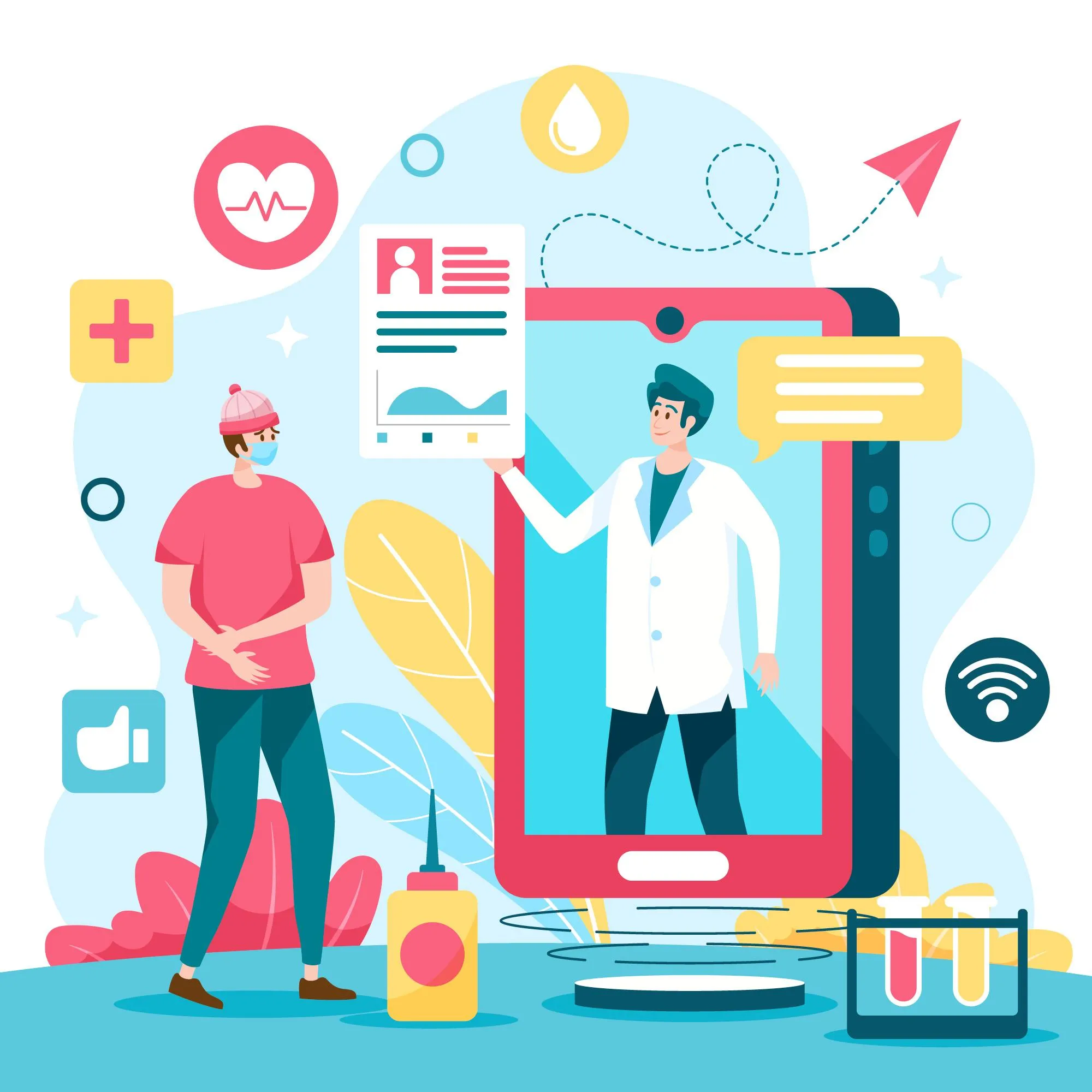
Technology matters because it reduces blind spots. It helps teams see what’s happening between visits and respond before small issues become big ones.
Remote Monitoring: Real-Time Visibility Beyond The Clinic
Remote monitoring is one of the biggest shifts in modern care. Wearables and sensors can capture vitals and health data from home and share it with care teams through connected platforms.
How remote monitoring helps healthcare service providers
- Detect issues earlier: trend changes can show deterioration before symptoms become urgent
- Intervene faster: teams can reach out when readings worsen instead of waiting for the next visit
- Personalize care plans: real-world readings help tailor treatment to what’s actually happening at home
Patient benefits
- Convenience and fewer unnecessary visits
- Stronger patient support and tracking for chronic conditions
- More confidence because patients know someone is paying attention
Examples of monitored data (general):
- Blood pressure
- Glucose
- Weight
- Pulse oximetry
- Activity levels
- Symptom check-ins
The key value isn’t “more data.” It’s earlier signals and clearer follow-up.
Electronic Health Records (EHRs): Access To Medical History From Anywhere
EHRs centralize patient information so care teams can access what they need without relying on memory or paper trails.
EHRs typically include:
- Medical history
- Medication lists
- Labs and imaging summaries
- Clinician notes and visit history
How EHRs improve coordination
- Easier collaboration between doctors, nurses, and specialists
- Fewer errors caused by missing or lost information
- Better continuity because context travels with the patient
Patient-facing value
Many EHR systems also include patient portals, letting patients:
- View results
- Review visit summaries
- Request refills
- Message care teams
That access helps patients stay informed and engaged, and it helps healthcare service providers deliver more consistent patient support and tracking across settings.
Telemedicine: Making Medical Expertise Easier To Access
Telemedicine has increased access to healthcare through video visits, phone calls, and secure messages. It saves time on travel and waiting, and telemedicine is particularly useful in rural areas.
Telemedicine isn’t only for one-time consults. It also supports:
- Follow-ups
- Medication check-ins
- Chronic care touchpoints
- Post-discharge support
How telemedicine strengthens patient support and tracking
- More frequent check-ins without burdening patients
- Faster escalation when symptoms change
- Easier follow-through when barriers (transportation, mobility, time) exist
Telemedicine works best when it’s connected to monitoring and records, so visits are informed by real trends, not just a quick conversation.
Data Analytics: Turning Patient Data Into Proactive Care
Healthcare generates massive amounts of data, EHR records, labs, imaging, claims, and device readings. Analytics helps teams make that data useful.
Analytics can help identify:
- Patterns and trends over time
- Risk factors and early warning signs
- Opportunities for prevention and better outcomes
Provider value
- Smarter prioritization (who needs outreach first)
- More personalized treatment planning
- Better resource use, focusing attention where it’s needed most
Cost impact
When risk is detected earlier, complications can be prevented. That often means fewer avoidable hospitalizations and better long-term efficiency.
AI In Healthcare: Supporting Better Clinical Decisions (Not Replacing Clinicians)
AI is increasingly used to support clinical decisions by detecting patterns humans might miss and helping teams act sooner.
Broad, safe use cases include:
- Risk prediction and triage support
- Decision support for treatment planning
- Identifying patients who may need additional follow-up
The critical issue: The use of AI is to help healthcare professionals in their work, but not to substitute them. In the responsible use of AI, patients get better support and monitoring, particularly when they are numerous.
What this means for patients: more involvement, more control.
What This Means For Patients: More Involvement, More Control
Technology is also changing the patient experience.
Patients become more active participants through:
- Portals and secure messaging
- Reminders for meds and follow-ups
- Access to results and visit summaries
- Visibility into trends and progress
That involvement improves understanding, adherence, and confidence, especially when patients know what to watch for and what to do next.
Challenges To Address (Brief But Important)
Even the best tools come with real challenges:
- Privacy and security expectations: healthcare data must be handled safely and compliantly
- Data overload: care teams need workflows and alert design, not just more readings
- Interoperability: systems must integrate so information doesn’t get trapped in silos
- Digital access barriers: devices, internet access, and comfort with technology vary widely
The best programs solve these with training, clear protocols, and technology that supports workflows instead of adding complexity.
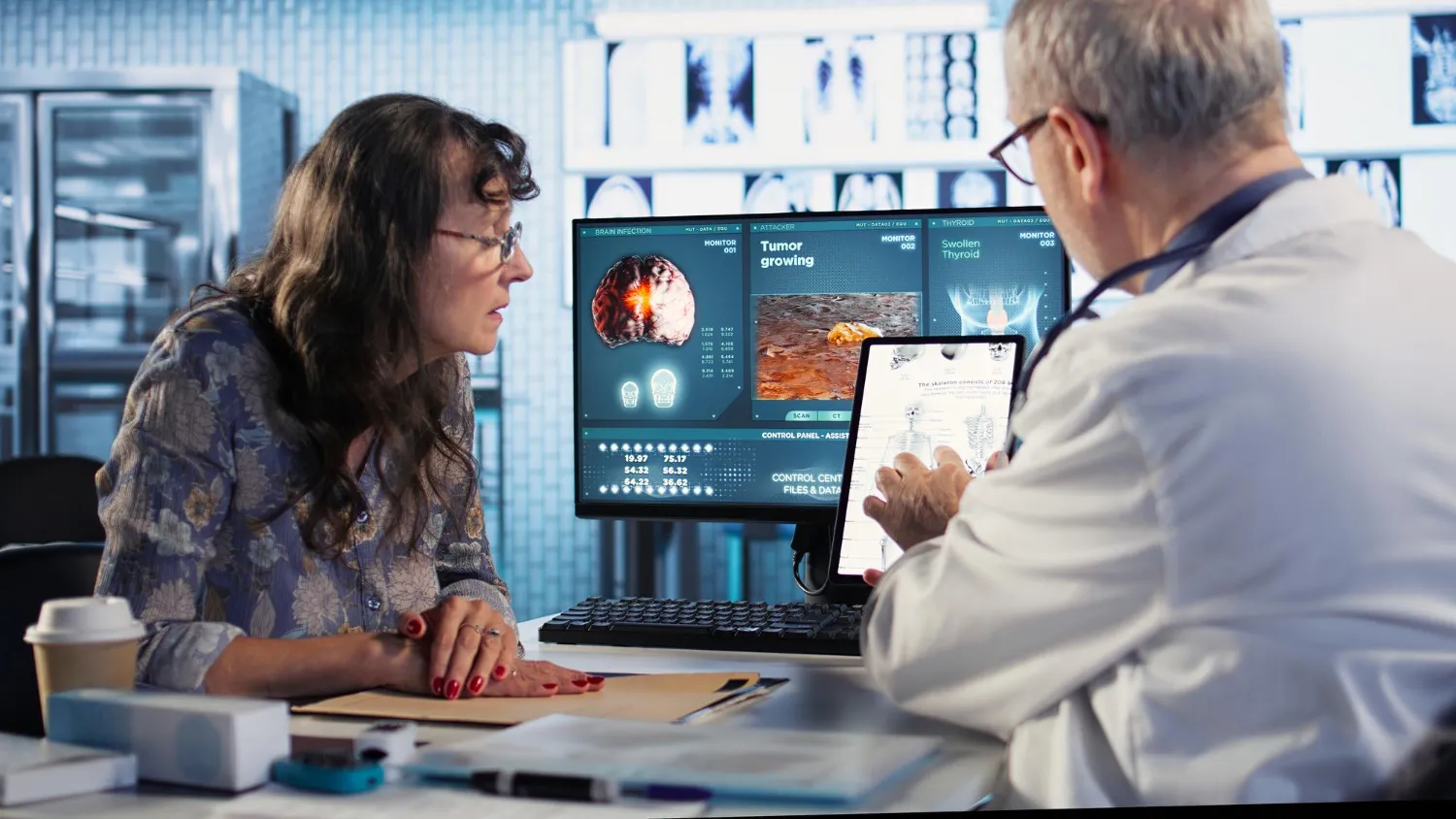
Conclusion: The Future Of Care Is Connected And Proactive
The use of technology is improving the effectiveness and efficiency of healthcare delivery while enabling a higher level of personalized care. Solutions from Central Health Solutions help healthcare organizations deliver more connected, data-driven, and patient-centered care.
With the further development of technologies, healthcare service providers will become capable of offering more effective, preventive and personalized health care, not only on visit days, but every day.
FAQs
Does Remote Monitoring Replace In-Person Care?
No. It reduces unnecessary visits and improves early detection, but in-person care is still essential for physical exams, procedures, and complex evaluations.
How Do EHRs Help Patients Directly?
Patient portals give access to results, summaries, refills, and messaging, helping patients stay informed and follow through more consistently.
Is AI Making Clinical Decisions On Its Own?
In most responsible use cases, no. AI supports clinicians with pattern detection and risk flags, but clinicians make the final decisions.
Turn Patient Data Into Faster, Better Follow-Through
Give healthcare service providers the visibility they need to act earlier, with smarter patient support and tracking that works between visits, not just during them.