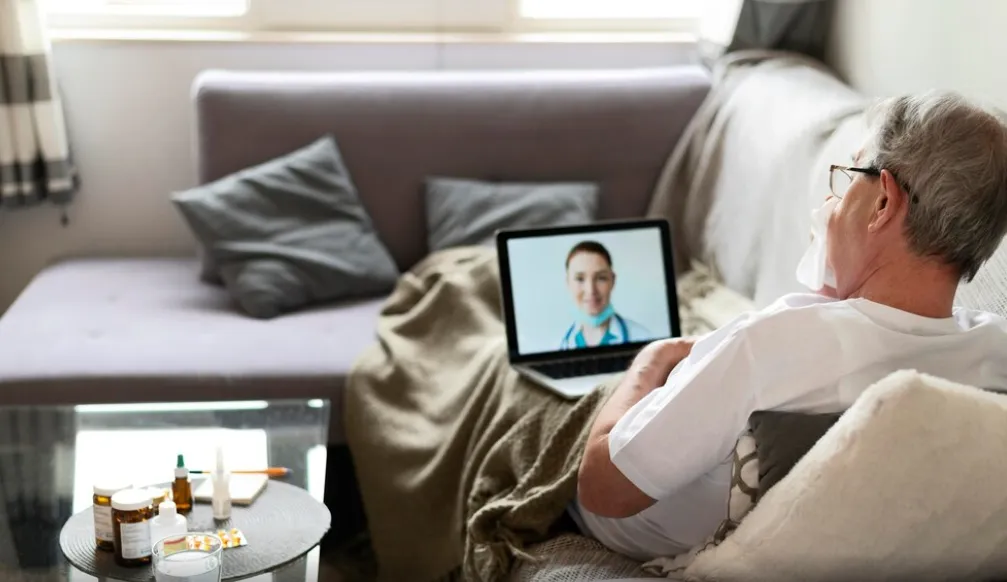
Diabetes cannot be monitored in a doctor’s office once in two months. Diabetes needs to be controlled daily by taking into account glucose fluctuations, medication timing, food intake, physical activities, stress, sleeping habits, and even small routine actions that matter over time. However, when patients do not have much external assistance beyond appointment days, they face challenges on their own. That is why the concept of Remote Patient Monitoring becomes highly efficient today. Using connected technologies and monitoring patients’ state regularly, health professionals can act promptly and make people’s life safer between their appointments.
This guide will cover remote monitoring in relation to diabetes, benefits from real-time readings, the impact of early detection on minimizing hospitalizations, and health monitoring solutions for diabetes patients.
What is Remote Patient Monitoring for Diabetes?
Remote patient monitoring is a systematic approach where data regarding glucose levels and other health-related information is recorded in the home setting before being transmitted to the healthcare team using technological means.
The data can be gathered using:
- Continuous glucose monitors (CGMs)
- Glucometer systems
- Applications for tracking diet, insulin dosing, symptoms, and exercise
- Healthcare provider dashboards that indicate trend lines and risks
This process is not intended to substitute traditional care. The aim here is to enhance traditional care by bringing another level of visibility and support between visits.
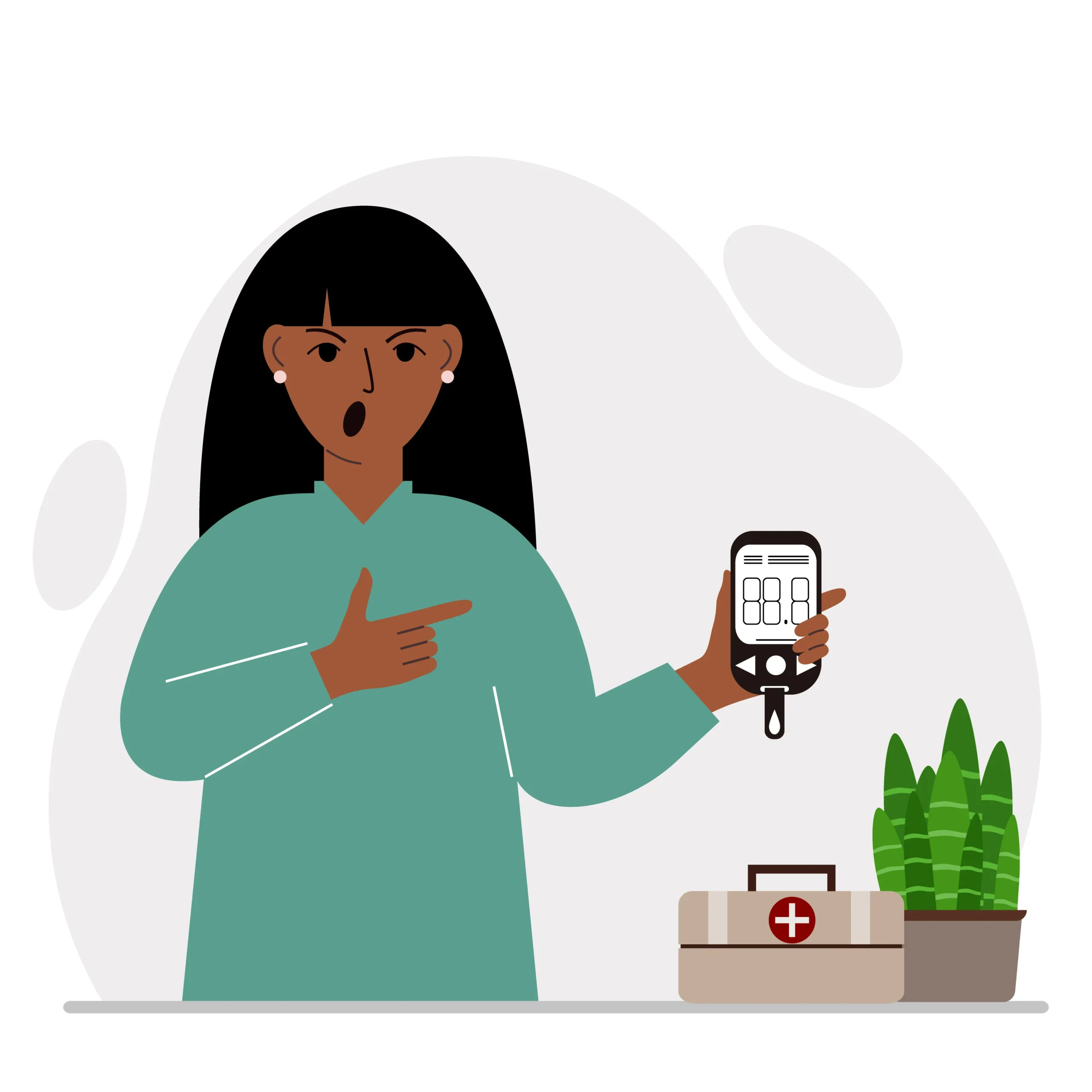
When coupled with good workflow processes, health monitoring solutions allow providers to better anticipate, customize, and adapt to reality.
Real-Time Glucose Readings and Immediate Feedback for Diabetes Management
Remote monitoring’s major benefit is its ability to turn glucose levels into information.
CGMs and connected glucometers measure glucose at all times, which makes it possible for users to monitor:
- Glucose response to food, exercise, stress, and sleep
- The frequency of spikes and dips during different parts of the day
- Whether the timing of medications is effective
Immediate alarms can be used for a fast reaction in case of:
- Low blood sugar
- Hyperglycemia (high glucose that may require action)
- Trend patterns that suggest risk, even before symptoms appear
This kind of feedback supports safer daily decisions and reduces the “guesswork” that makes diabetes harder to manage consistently.
Reduced Hospitalizations Through Early Detection and Timely Intervention
Diabetes admissions and ER visits often occur after complications develop silently over some time. The patient could be running high for several days, having frequent low readings, or is non-adherent to his/her medications, but it only becomes apparent after the situation reaches crisis level.
With remote monitoring, problems can be detected early, including:
- Increased glucose levels that indicate poor control
- Repeated lows that suggest dosing problems
- Gaps in monitoring or adherence that increase risk
- Symptom patterns that need clinical attention
This will also benefit the other conditions that are usually associated with diabetes, such as hypertension and cardiovascular risks, since monitoring systems will help maintain continuity of care.
Early intervention usually results in fewer complications, emergencies, and unnecessary hospital admissions.
Cost-Effective Diabetes Management for Patients and Healthcare Teams
Remote monitoring can reduce costs in ways that matter to both patients and care teams.
For patients, cost savings often come from:
- Reduced travel and fewer unnecessary in-person visits
- Less time off work and fewer transportation burdens
- Earlier support that prevents expensive complications later
For healthcare teams, remote monitoring can improve efficiency by:
- Helping clinicians prioritize outreach based on risk signals
- Reducing repetitive follow-up calls and “data chasing”
- Scaling chronic care support without sacrificing quality
diabetes management becomes more cost-effective when care teams can intervene earlier and prevent complications, rather than reacting after a crisis.
Personalized Care Plans Powered by Remote Patient Monitoring
Diabetes care is highly individual. Two patients can follow the same general plan and still have very different glucose patterns based on lifestyle, comorbidities, stress, sleep, and medication response.
Remote monitoring supports personalization by using patient data to tailor:
- Medication timing and dosing adjustments
- Nutrition guidance based on real glucose responses
- Education that targets the patient’s actual challenges
- Follow-up cadence based on risk level and stability
Instead of waiting months to adjust a plan, care teams can make smarter changes based on trends and outcomes, which helps patients feel more supported and more in control.
Better Patient Engagement and Satisfaction with Health Monitoring Solutions
Engagement improves when patients can see progress and understand what their data means.
Remote monitoring supports engagement by offering:
- Simple tools that make tracking easier
- Education resources tied to real readings and patterns
- Reminders and structured routines that reduce overwhelm
- A sense of support, patients know someone is paying attention
Convenience is also important. At-home monitoring creates less friction, increasing patient compliance and satisfaction, particularly in individuals who have trouble attending clinics frequently.
Who will Benefit the Most From Remote Patient Monitoring in Diabetes?
Remote monitoring is beneficial for a wide range of patients with diabetes. It is particularly useful for:
- Newly diagnosed patients who need education and structure
- Patients with uncontrolled A1C or frequent highs and lows
- Older adults and mobility-limited patients
- Rural patients with access barriers
- Patients managing multiple conditions alongside diabetes
The common thread is the need for consistent support between appointments.
What to Look for in Health Monitoring Solutions for Diabetes
Not all programs are built the same. Look for solutions with:
- Easy onboarding and a patient-friendly interface
- Reliable device compatibility (CGMs, glucometers, apps)
- Clear alerts and actionable reporting for providers
- Secure data handling and privacy protections
- Consistent support workflows, who reviews data, when outreach happens, and what escalation looks like
The best programs feel simple for patients and structured for care teams.
FAQs
Does Remote Patient Monitoring make endocrinologist appointments obsolete?
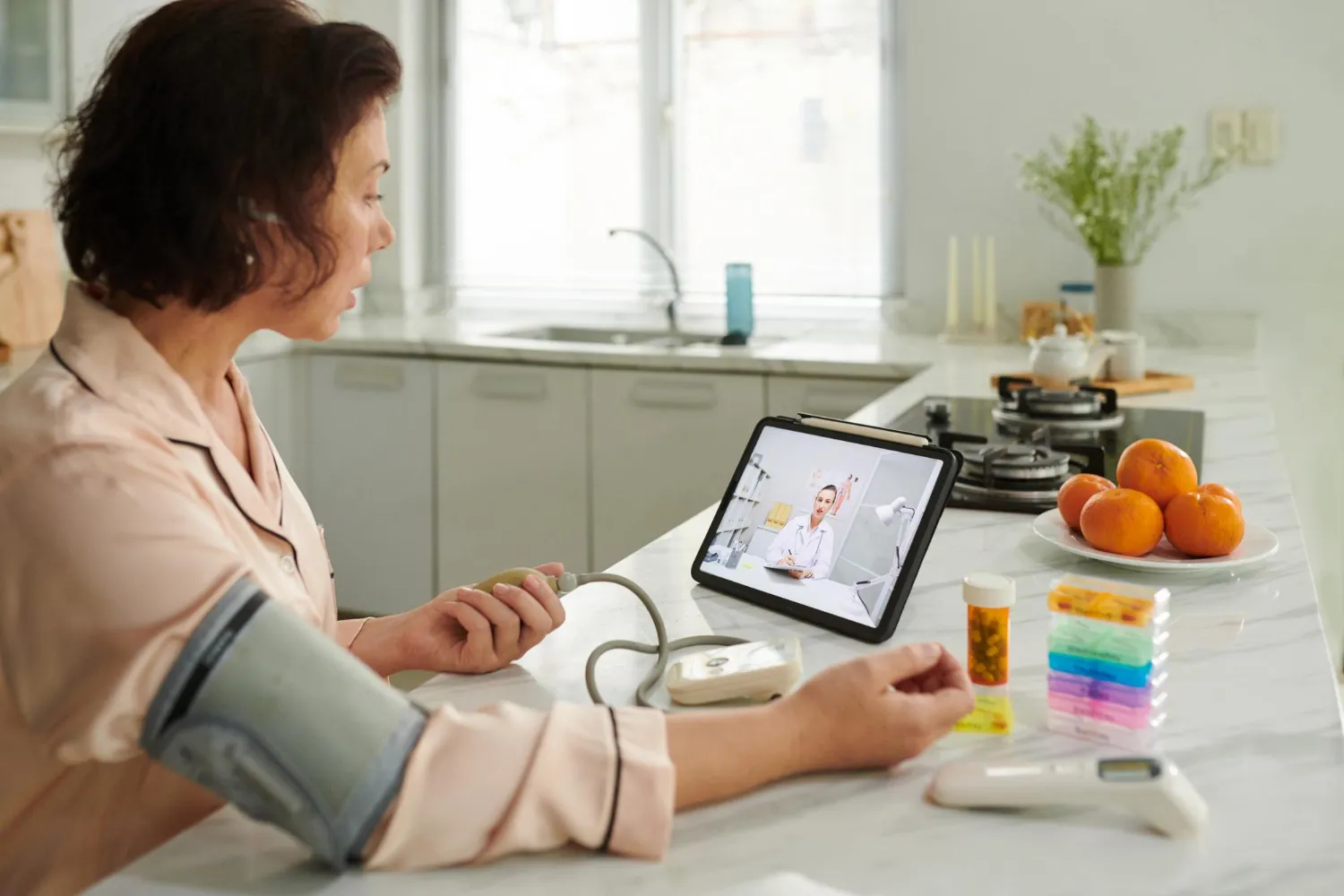
No. RPM is used as an additional measure to provide visibility and assistance during days outside of patient appointments where glucose fluctuations occur regularly.
Which remote monitoring devices could be applied in managing diabetes patients?
Common devices include CGMs, glucometer linked via a cell phone, app-based systems, etc.
Whom does RPM suit best?
Those who are newly diagnosed, have uncontrolled A1C levels, experience fluctuating blood sugar levels, face any other obstacles to care, or have additional health issues.
Conclusion
It is evident that remote patient monitoring has revolutionized diabetes management with its ability to ensure more proactive, personalized, and consistent support services for diabetic patients. With real-time access to data, providers are able to offer prompt feedback, and patients are empowered to make safer daily decisions without developing serious complications.
Ultimately, this means less time in hospitals, improved patient engagement, better customized treatment plans, and more sustainable diabetes management—especially with support from Central Health Solutions.
Turn Glucose Trends Into Faster, Safer Decisions
With modern health monitoring solutions, care teams can catch highs and lows earlier and personalize guidance before problems escalate.