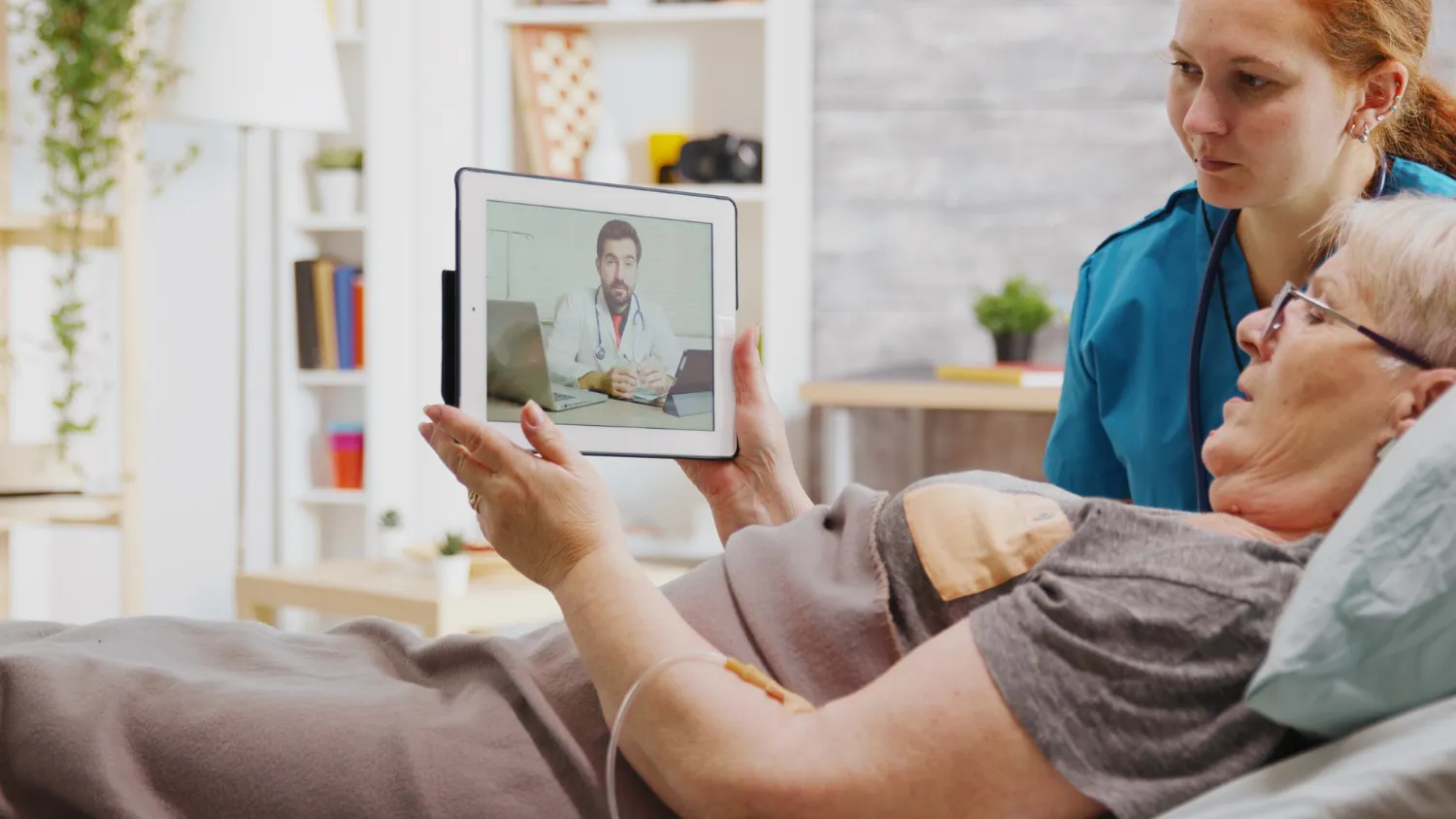
Remote Patient Monitoring and telehealth are often used interchangeably, even though they refer to two entirely different concepts that address unique problems in healthcare. They are used by patients, by teams, even by vendors themselves. However, choosing the wrong approach can result in significant gaps in care, especially if they are expected to perform each other’s functions.
To provide a straightforward understanding of both terms, we can say that Remote Patient Monitoring is the tool for continuous monitoring in between visits, and telehealth is the means for remote consultations whenever a visit is required. Both approaches require a reliable remote health monitoring solution along with proper clinical workflows in place. A good remote health monitoring solution will make it possible to monitor the patients on an ongoing basis without turning into “more data” that no one has time to analyze.
In this guide, we’ll explain what each term means, when to use it, and how they complement each other.
Quick Definitions
What Is Remote Patient Monitoring?
Remote Patient Monitoring is the ongoing collection of patient health data outside the clinic, usually from home.
It typically relies on connected devices (and sometimes symptom check-ins) that send data to a care team dashboard. The goal is trend visibility and earlier intervention, not just a one-time check.
RPM is usually powered by a remote health monitoring solution that manages:
- Devices and data capture
- Dashboards and trend views
- Alerts and thresholds
- Staff workflows for review and outreach
What Is Telehealth?
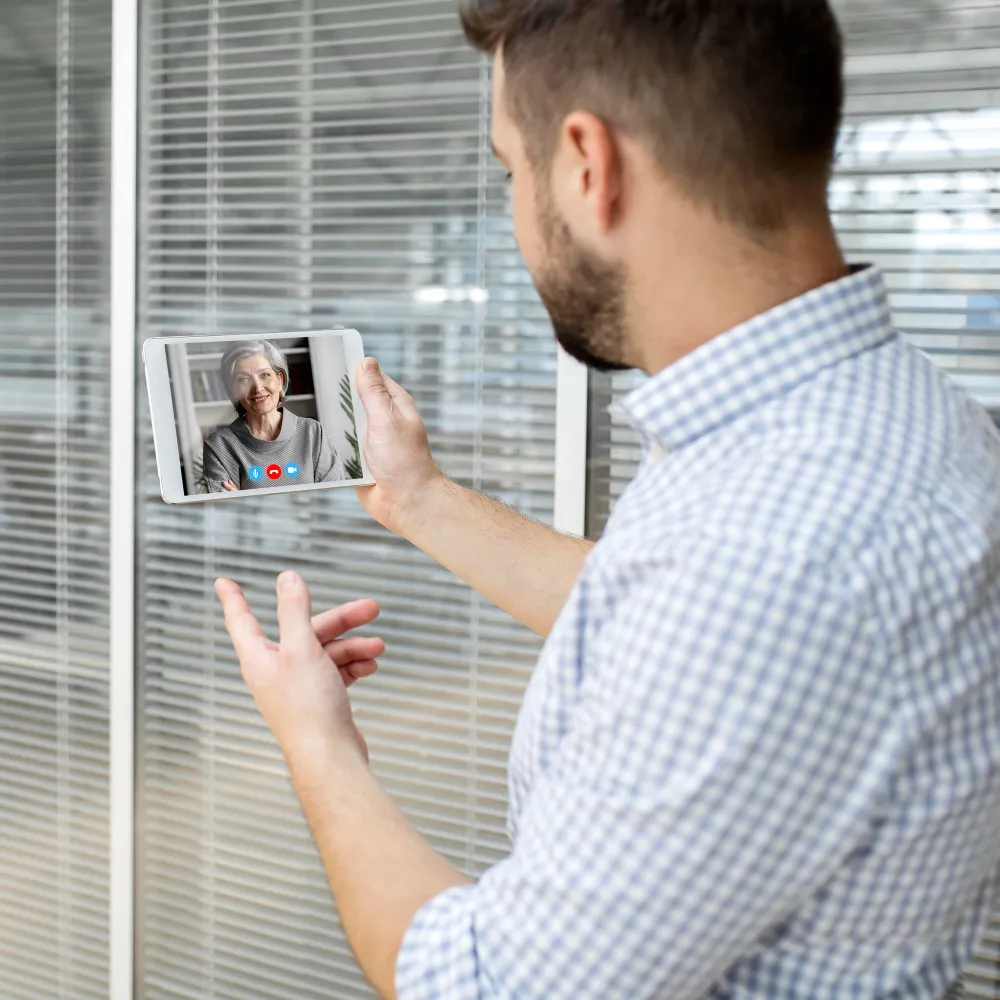
Telehealth is a clinical interaction delivered remotely through video, phone, or secure messaging.
It’s used for:
- Consultations and follow-ups
- Education and counseling
- Triage and treatment decisions
- Medication reviews and care plan adjustments
Telehealth is usually point-in-time, meaning it captures what’s happening during that visit, not continuously.
The Simplest Way To Remember The Difference
If you only remember one thing, make it this:
- RPM is “data over time.”
- Telehealth is “a visit at a distance.”
RPM can run in the background without a live appointment. Telehealth can happen without any connected device data at all.
What RPM Includes (And What It’s Designed To Do)
RPM is designed for ongoing oversight. It includes:
- Continuous or recurring data collection (vitals, symptoms, condition-specific readings)
- Trend tracking over days and weeks (not just a single moment)
- Alerts and thresholds that flag potential deterioration
- Clinical review and outreach when something changes
This is where a strong remote health monitoring solution matters. Without the right platform and workflow, RPM can create alarm fatigue or “data overload.” With the right setup, it becomes a practical system for early detection and timely follow-up.
What Telehealth Includes (And What It’s Designed To Do)
Telehealth is designed for access and convenience. It includes:
- Scheduled or on-demand virtual visits
- Clinical evaluation through conversation and visual assessment (when video is used)
- Treatment planning: prescriptions, referrals, education, follow-ups
- Documentation and next-step planning
Telehealth is especially useful when in-person care isn’t necessary, but a clinical decision still needs to be made.
RPM Vs. Telehealth Differences (In Plain Comparison Content)
What each one is
RPM is continuous monitoring using devices and digital reporting. Telehealth is a remote appointment or clinical interaction.
Primary value
RPM’s value is early detection and proactive intervention based on trends. Telehealth’s value is faster access to care without travel and scheduling barriers.
What kind of data are you working with
Data acquisition
RPM relies on vitals and symptoms collected continuously in between visits, whereas telehealth relies on data collected during the visit in the form of patient’s self-reported symptoms and clinician’s findings.
Use cases
RPM is ideal for chronic conditions, post-discharge monitoring and high-risk patients who need continuous monitoring. Telehealth is ideal for follow-ups, medication review, minor acute problems, behavioral health and improving access to healthcare in rural or mobility-impaired patients.
Tools involved
RPM uses connected devices, dashboards, alerts, and care team workflows, typically through a remote health monitoring solution. Telehealth uses video, phone, and secure messaging platforms for virtual visits.
When To Use Remote Patient Monitoring (Best-Fit Scenarios)
RPM is a strong fit when the patient benefits from ongoing oversight, not just periodic check-ins.
Common scenarios include:
- Chronic conditions like hypertension, diabetes, CHF, and COPD
- Patients recently discharged from the hospital (to reduce readmissions)
- Medication adherence and symptom tracking
- Patients who need frequent oversight but can’t (or shouldn’t) come in often
The most critical fact: RPM results hinge greatly on the process of responding. It’s not the device that improves outcomes – the process of reviewing, reaching out, escalating, and documenting makes monitoring produce improvements in care.
This is precisely when a program developed by a company such as Central Health Solutions will prove to be efficient, since its focus is on the operations process rather than devices.
When To Use Telehealth (Best-Fit Scenarios)
Telehealth is ideal when a patient needs clinical input, but not necessarily an in-person exam.
Common scenarios include:
- Follow-ups and check-ins that don’t require hands-on evaluation
- Medication reviews, education, and care plan adjustments
- Behavioral health and counseling
- Triage for minor acute concerns
- Improving access for rural patients and mobility-limited patients
Telehealth is also a great “fast touchpoint” when something changes and the care team needs to respond quickly.
How RPM and Telehealth Work Better Together (The “Care Loop”)
This is where the magic happens.
RPM detects early warning signs. Telehealth provides a fast clinical touchpoint to act on them.
Telehealth sets the plan. RPM tracks whether the plan is working between visits.
Combined benefits include:
- Faster intervention
- Better patient engagement (patients see progress and feel supported)
- Reduced avoidable ER visits and hospitalizations
In other words, RPM gives you the signal, telehealth gives you the conversation and decision, and together they create a more complete connected care model.
What To Look for In A Remote Health Monitoring Solution (Quick Checklist)
If you’re evaluating a platform, look for:
- Patient-friendly devices and onboarding
- Smart alerts and trend dashboards (avoid alarm fatigue)
- Staff workflow support (tasking, escalation, documentation)
- Patient engagement tools (reminders, education, messaging)
- HIPAA-safe security and privacy
- Integration with EHR and clinical systems when possible
A good platform doesn’t just collect data. It helps teams act on it consistently.
Common Misconceptions (Quick Myth-Busting)
“Telehealth replaces RPM.”
Not really. They’re complementary. Telehealth is the visit, RPM is the between-visit visibility.
“RPM is only for seniors.”
RPM is for any chronic or high-risk patient who benefits from ongoing oversight.
“More data automatically improves outcomes.”
Only if teams have workflows to respond. Otherwise, it’s just noise.
Conclusion: Different Tools, Same Goal
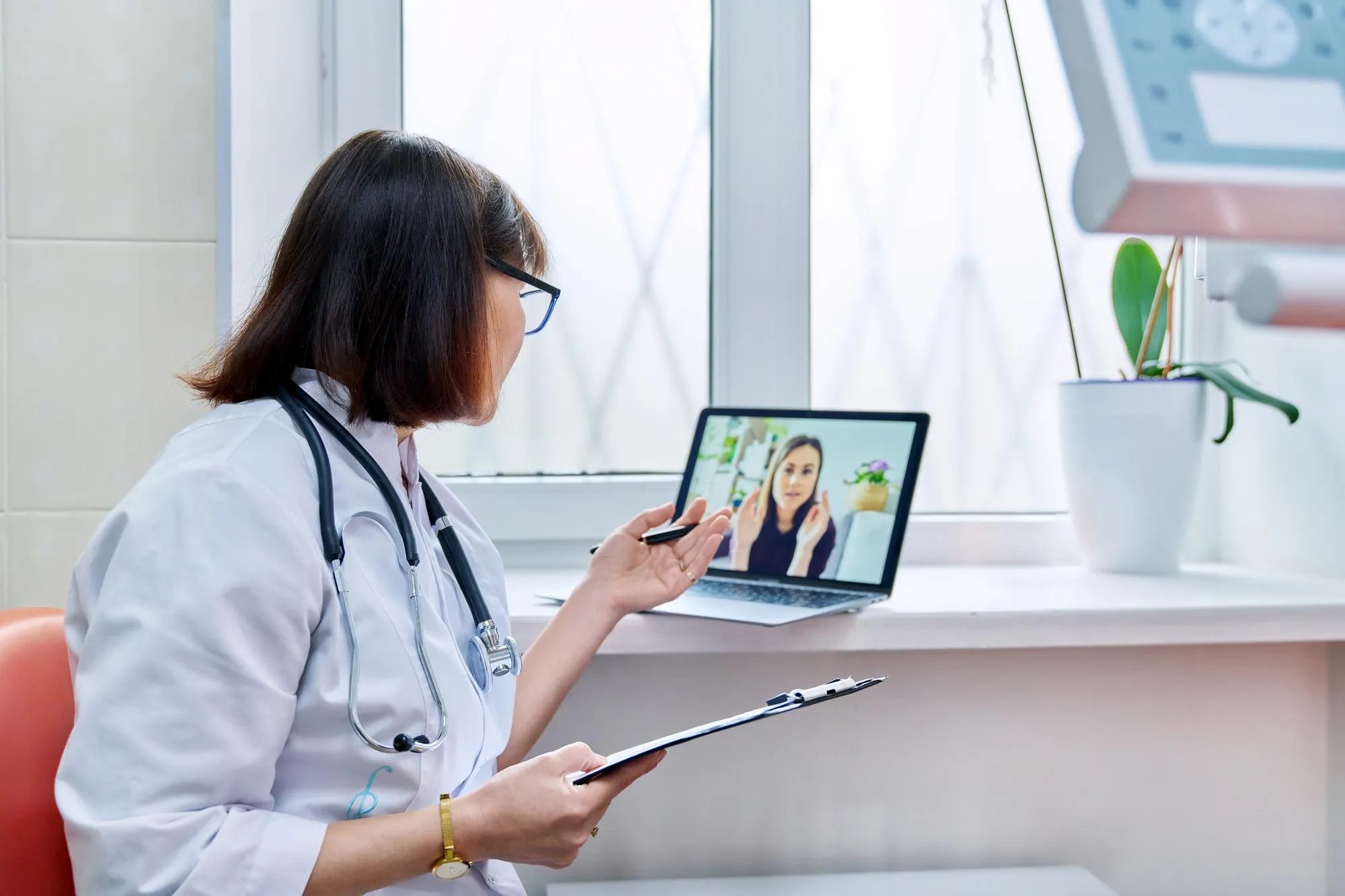
Telehealth increases accessibility and convenience. Remote Patient Monitoring increases visibility and proactiveness between visits. Combined, they provide a more holistic approach to care, based on the right remote health monitoring solution and the right process for turning signals into actions.
FAQs
1) Do I Need RPM to Offer Telehealth?
No. Telehealth can happen without any device data. RPM adds ongoing visibility, but it isn’t required for a virtual visit.
2) Can RPM Replace In-Person Visits?
Not completely. RPM can reduce unnecessary visits and catch issues earlier, but patients still need in-person care for exams, procedures, and complex evaluations.
3) What’s the Biggest Reason RPM Programs Fail?
Lack of workflow. If no one owns review, outreach, and escalation, the data won’t translate into better outcomes.
Ready for RPM That Doesn’t Overwhelm Your Team?
Choose a remote health monitoring solution that supports Remote Patient Monitoring with smart alerts, clear ownership, and consistent follow-through.