Personalized healthcare services are now being delivered beyond the confines of clinical practice. With the ongoing digitization of healthcare, personalized care services have started moving towards models that cater to the needs of their clients in their day-to-day activities. This transition is not only aimed at providing convenient services but is intended to make personalized care services more realistic and practical.
This explains the significance of remote patient monitoring solutions in today’s patient-centered healthcare. Remote patient monitoring solutions assist clinicians in making the transition from periodic observations to real-time insights, thus making personalized care services more effective, proactive, and scalable.
In this blog post, we will shed light on the meaning and importance of remote health solutions. We will discuss the benefits of remote patient monitoring systems with respect to access to healthcare services, workflow improvements, cost savings, and chronic illness management.
What “Remote Health Solutions” Mean in Personalized Healthcare
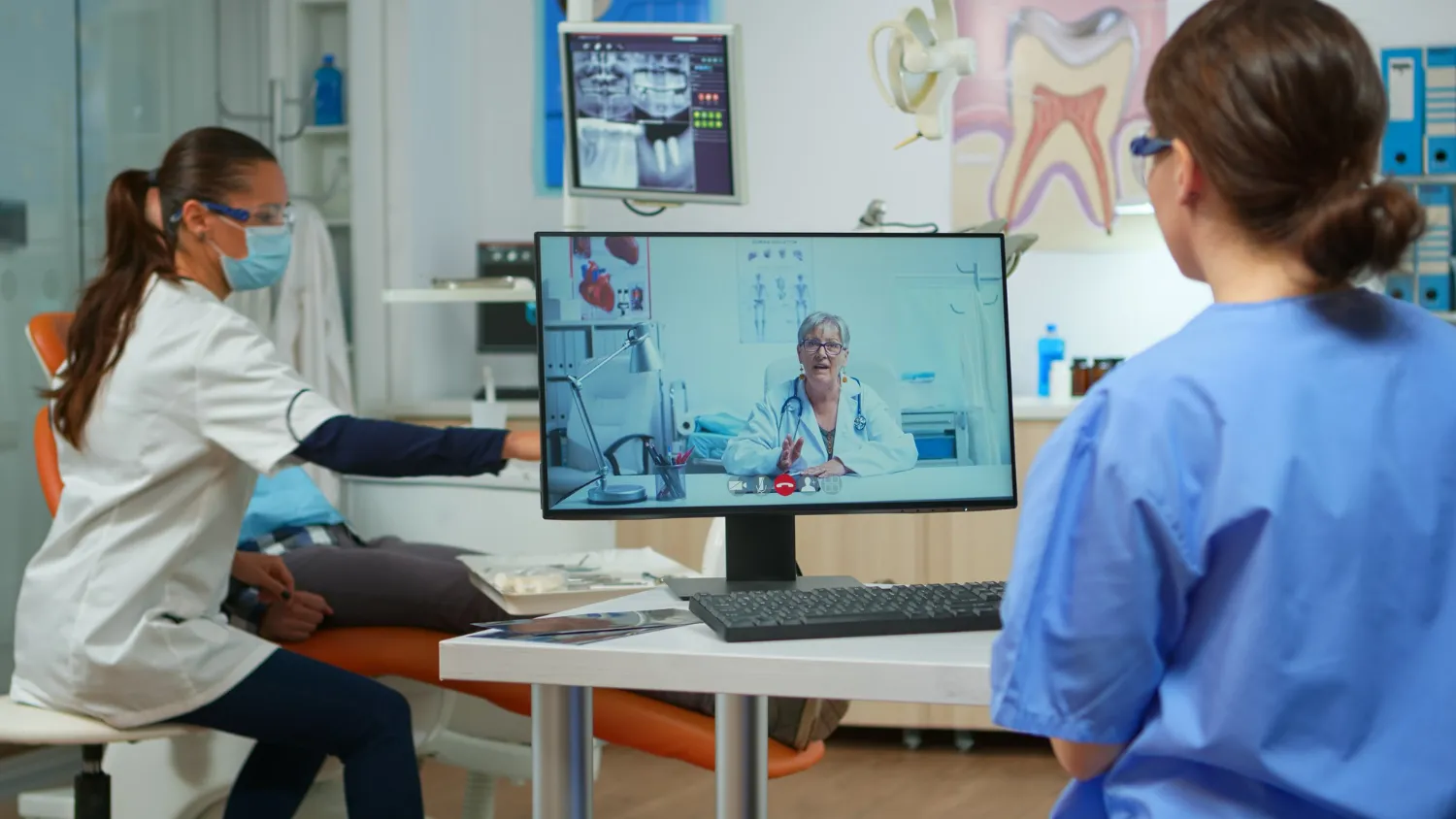
Remote health solutions are tools and programs that deliver and support care outside the hospital using technology. Instead of relying only on in-person visits, remote-first care uses ongoing data, structured check-ins, and digital communication to help patients stay on track.
Personalization happens because care teams are not guessing based on a single appointment. They can tailor plans using real-world signals, symptoms, vitals, adherence patterns, and patient feedback. When something changes, the plan can change faster too.
In many programs, remote patient monitoring solutions are the engine that makes this possible. They create a continuous feedback loop that supports earlier detection, quicker adjustments, and more individualized care.

Better Access to Personalized Healthcare Solutions for More Patients
Access is a major challenge to personalized care. Patients may have difficulty traveling, taking days off from work, and scheduling regular appointments. Remote healthcare can assist in breaking down these barriers.
Remote care enhances accessibility to healthcare services for:
- Rural patients living far from specialists
- Elderly patients with limited mobility
- Chronic patients requiring regular check-ups
- Discharged patients needing assistance in the process of recovery
Home-based healthcare facilities allow patients to receive timely interventions and avoid delays that may be caused by difficulties with transportation.
How Remote Patient Monitoring Systems Facilitate Personalized Healthcare
Routine healthcare frequently focuses on a snapshot approach, measuring blood pressure in the office, providing updates on symptoms during appointments, and ordering lab tests every few months. However, many illnesses fluctuate daily.
Remote monitoring provides a means of offering continuous care by identifying trends rather than relying on single-point measurements. This supports earlier detection and faster treatment changes when needed.
Common tools include:
- Symptom tracking and educational applications on mobile phones
- Wearables that monitor heart rate, physical activity, sleep, or rhythm patterns
- Home devices that measure blood pressure, glucose levels, oxygen saturation, and weight
- Dedicated provider portals that highlight trends, alerts, and risks
Health monitoring systems can make an impact right here. They allow patients to maintain adherence outside of appointments, ensure compliance with recommended procedures, and prevent “I wasn’t quite sure whether I should have done that” from becoming an issue.
Improving Clinical Workflows with Modern Healthcare Solutions
Remote care is not only about patient convenience. It can also improve how care teams work.
If done correctly, remote monitoring will facilitate better coordination of communications between different teams and improve triage processes. It allows us to distinguish priorities among different messages, rather than treat everything with equal importance.
Benefits of remote-first workflow can include:
- Triage optimization, determining priorities of people needing help right now versus in future
- Eliminating stress caused by overly busy schedules and staff shortages
- Reducing unnecessary calls for follow-up questions
- Improving documentation and continuity throughout all aspects of patient care
Proper technologies will ensure that doctors don’t waste their time searching for answers.
Why Remote Healthcare Solutions are Cost-Effective for Patients and Providers
Remote programs can reduce costs in ways that matter to both patients and providers.
For patients, cost savings often come from:
- Fewer unnecessary in-person visits
- Less travel time and fewer missed workdays
- Earlier support that prevents complications
For providers and health systems, cost savings often come from:
- Earlier detection that reduces hospitalizations and readmissions
- More efficient use of staff time through better triage
- Reduced administrative overhead when data and communication are centralized
Cost-effectiveness is not just about spending less. It is about preventing expensive events by responding earlier and managing conditions more consistently.
Better Patient Experience and Satisfaction through Health Monitoring Solutions
Patients do better when they feel supported, not left alone after a visit.
Remote monitoring improves the patient experience by adding:
- Convenience and comfort, especially for older adults
- More flexibility in how patients communicate with care teams
- Clearer guidance and education that reduces uncertainty
- Personalized plans that fit real life routines
When patients understand what to do and feel confident doing it, engagement improves. And when engagement improves, outcomes often follow.
Managing Chronic Diseases with Remote Patient Monitoring Solutions
Chronic conditions are one of the strongest use cases for remote monitoring because they require consistency, not occasional check-ins.
Remote programs help patients manage chronic disease by supporting:
- Medication routines and adherence check-ins
- Symptom trend tracking and early warning detection
- Lifestyle coaching tied to real-world data
- Faster escalation when readings shift
One example could be remote monitoring of diabetes. The analysis of fluctuations in blood sugar levels, the occurrence of certain symptoms, patterns in eating and medication can allow for timely adjustments in care management, preventing extended periods of improper glucose control.
Healthcare solutions will have the most success in chronic conditions if they provide a regular rhythm, and not just an access point to log into a portal.
What to Look for in Remote Patient Monitoring Solutions and Healthcare Programs
If you are evaluating a remote monitoring program, focus on what will actually work in the real world.
Key criteria include:
Ease of use for patients and staff
- Simple onboarding
- Clear daily workflows
- Minimal friction for older adults and non-technical users
Reliable data capture and meaningful alerts
- Accurate devices and consistent data flow
- Alerts that are clinically useful, not noisy
- Trend-based insights, not just raw numbers
Secure communication and privacy protection
- HIPAA-aligned security practices
- Role-based access and audit trails
- Clear patient consent and data handling policies
Scalability across use cases
- Chronic care monitoring
- Post-discharge recovery support
- Long-term monitoring for higher-risk patients
The best programs feel simple for patients, structured for clinicians, and measurable for organizations—especially with support from Central Health Solutions.
FAQs
1) Do remote monitoring programs replace in-person care?
No. They complement in-person care by adding support and visibility between visits, when most day-to-day changes happen.
2) What conditions benefit most from remote patient monitoring?
Chronic conditions like diabetes, hypertension, COPD, and heart disease often benefit because they require consistent tracking and early intervention.
3) What should organizations look for before adopting remote monitoring?
Ease of use, secure data handling, reliable devices, meaningful alerts, clear escalation workflows, and reporting that shows measurable outcomes.
Conclusion
Personalized care is moving beyond the clinic because patients do not live their health journeys in appointment windows. Remote health solutions make care more accessible, more responsive, and more efficient.
By combining continuous insight with better follow-through, remote patient monitoring solutions and health monitoring solutions are helping care teams deliver personalization at scale. And with the right healthcare solutions, patients can feel supported at home while providers gain visibility that improves outcomes and reduces avoidable costs.
Make Personalized Care Happen Between Visits
Use remote patient monitoring solutions to catch changes earlier, tailor care faster, and keep patients supported at home, not just in the clinic.